




Precision Sheet Metal Bending Services for Custom CNC Sheet Metal Bending
Turn flat sheet right into exact, durable, production-ready bent sheet metal parts with expert sheet steel flexing solutions constructed for models, small batches, and repeat manufacturing. Our custom sheet metal flexing, cnc sheet steel bending, and press brake flexing support suppliers, engineers, devices home builders, and product groups that need dependable metal elements with clean geometry, managed bend angle, and consistent repeatability. Pick us for functional sheet steel style support, versatile fabrication abilities, and a metal bending solution concentrated on top quality from quote to delivery.
What Makes Our Sheet Steel Bending Services a Better Fit for Your Project?
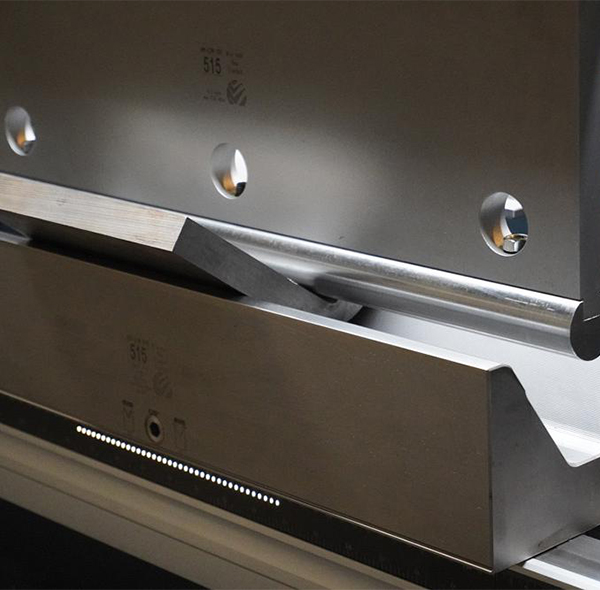
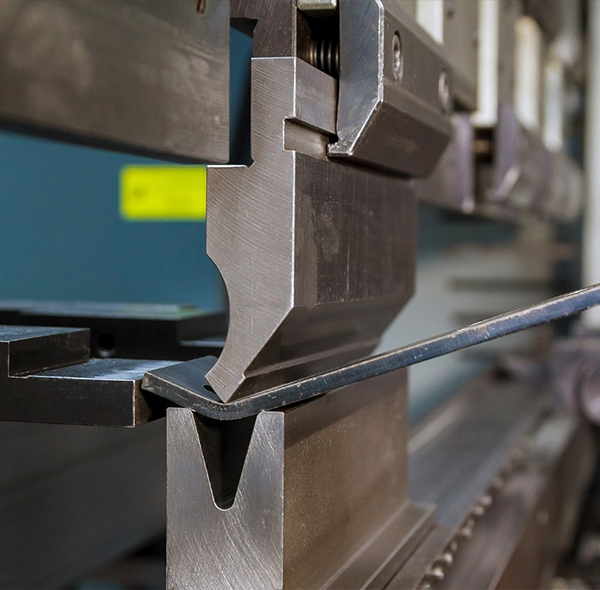
Our sheet metal bending services aid you flex sheet metal right into brackets, panels, covers, frameworks, flanges, units, and accuracy sheet steel elements without including unnecessary cost or intricacy. We combine knowledgeable fabrication preparation with cnc equipment, press brake setup, and the ideal flexing device selection to keep every bend controlled.
From one sheet steel part to a complete manufacturing run, we examine product thickness, bend distance, bend allowance, flange size, and last geometry before manufacturing begins. This lowers rework, boosts dimensional precision, and assists your metal manufacture project move quicker.
Types of Sheet Metal Bending
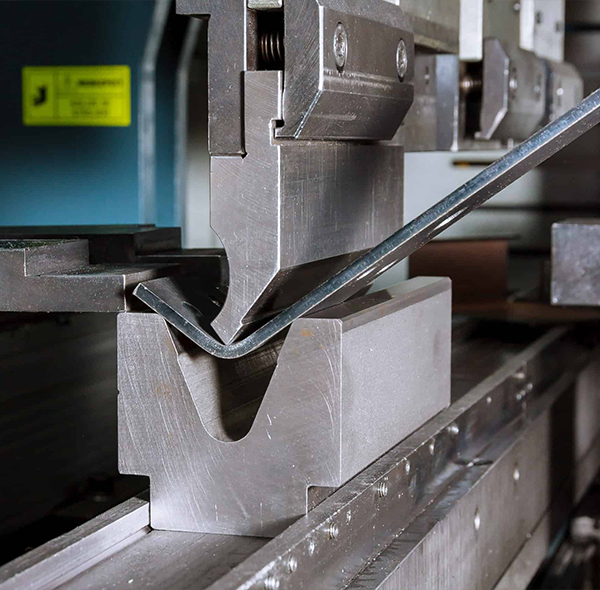
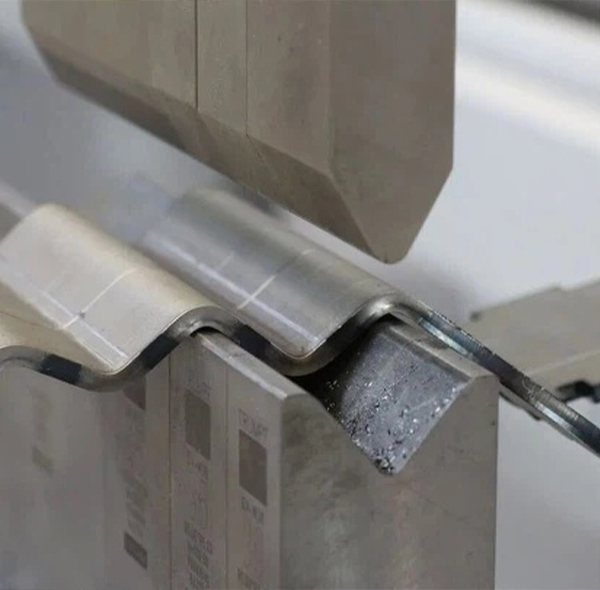
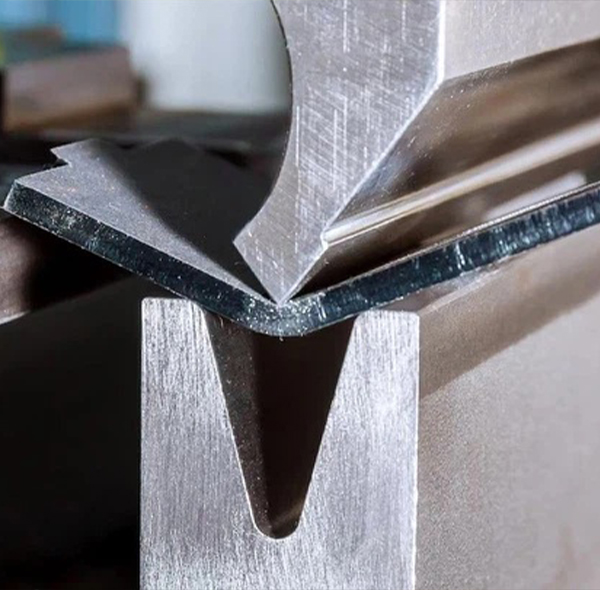
Explore common sheet metal bending methods, including air bending, bottom bending, coining, folding, roll bending, and hemming for precise metal parts.

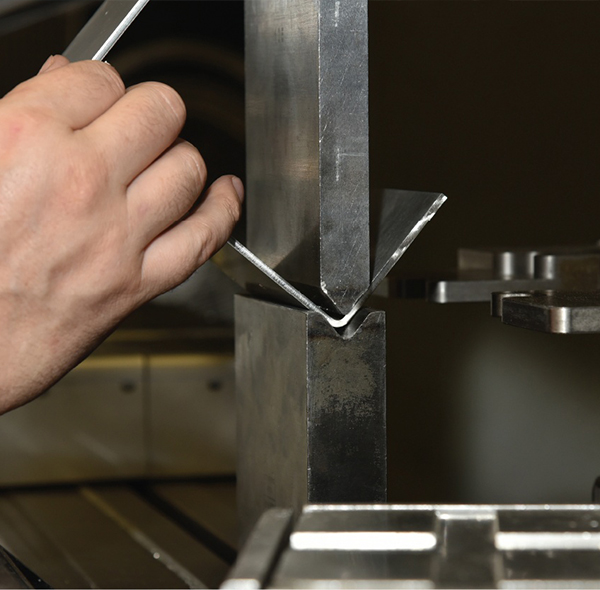
Air bending
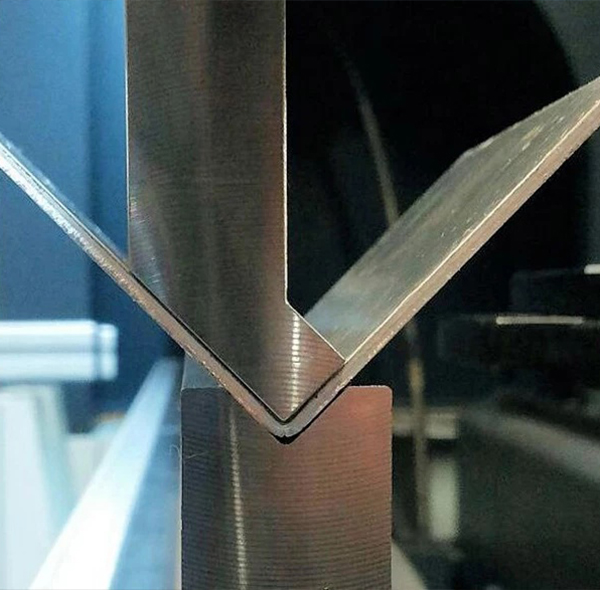
Forms metal with a punch and V-die without bottoming out; flexible, low-tonnage, and ideal for varied angles.

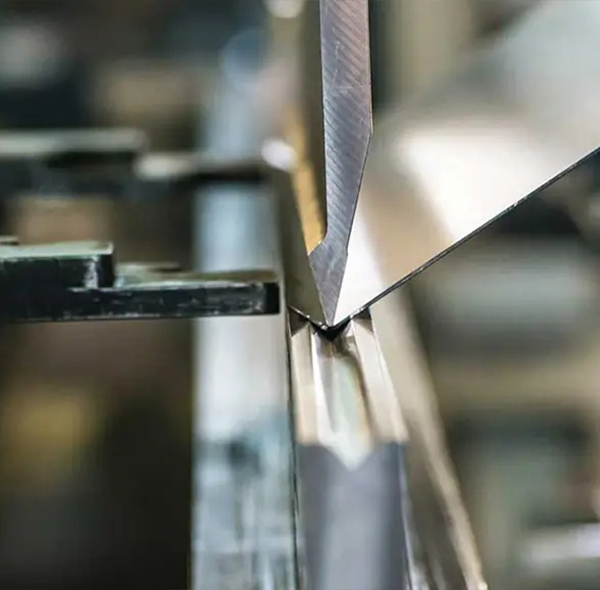
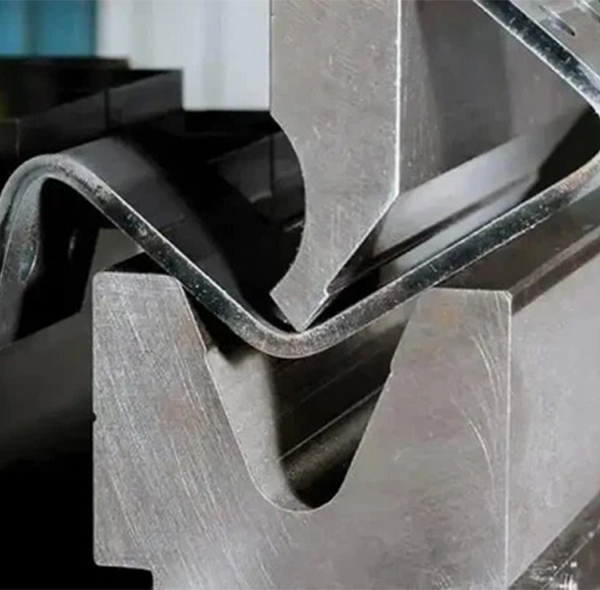
Bottom bending
Presses the sheet into the die bottom for better angle control, less springback, and tighter repeatability.

Coining
Uses very high force to compress the bend zone, creating precise angles with minimal springback.

V-bending
A common press brake method using a V-die and punch to create standard bends in brackets, panels, and flanges.

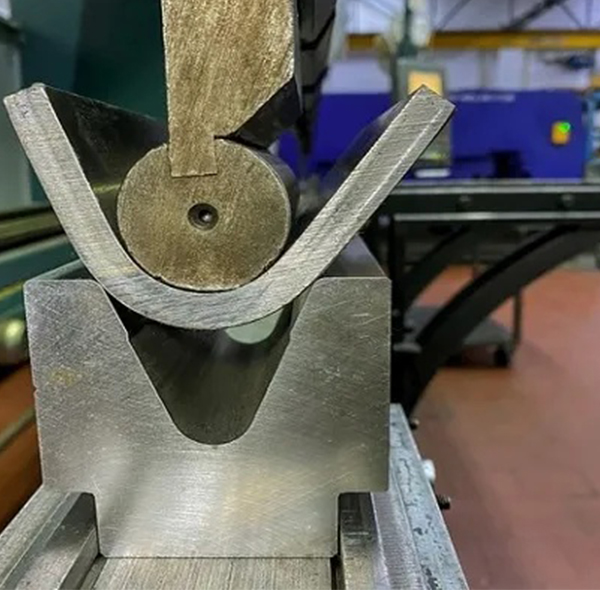
U-bending
Forms a U-shaped channel with matching punch and die, useful for rails, brackets, frames, and structural parts.

Wipe bending
Clamps one side of the sheet while a tool bends the edge, making clean flanges and edge features.

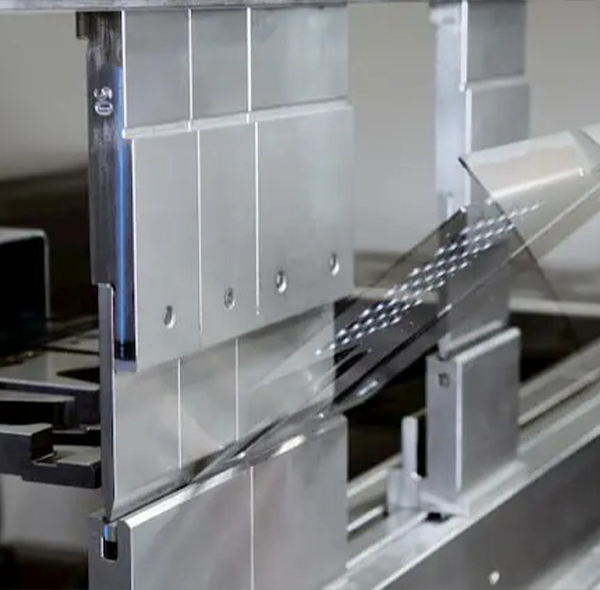
Folding
Clamps the sheet while a folding beam forms the bend, ideal for large panels and long flanges.

Roll bending
Passes sheet metal through rollers to create arcs, cylinders, cones, and large-radius curved parts.
Just how Do Our Construction Capacities Assistance Complex Bent Components?
Our fabrication capacities are developed for straightforward and intricate curved components, including single-flange parts, numerous bends, U-channels, Z-brackets, box shapes, guards, covers, and architectural sheet metal construction settings up. We support a wide variety of sheet and plate projects where the flexing process needs to line up with reducing, welding, equipment insertion, finishing, and setting up.
Whether your layout requires a 90 ° bend, limited inside bend, lengthy flange, or repeated angle throughout multiple parts, our team chooses the press brake, punches and dies, and bending approach that match the product density and last application. The goal is always tidy developing, reputable rigidity, and affordable production.
Which Materials Work Ideal for Customized Sheet Metal Bending?
We bend metal materials such as steel, stainless-steel, moderate steel, sheet steel, aluminum alloy, and various other common fabrication steels made use of in commercial and commercial applications. Every material behaves in a different way during bending, so we consider sheet thickness, material thickness, grain direction, bend distances, and springback prior to verifying the process.
For jobs entailing steel and light weight aluminum, 3 mm thick sheet, sheet and plate parts, or mixed materials and densities, we aid you pick a useful bend distance and bending tool configuration. The appropriate material choice enhances toughness, look, rust resistance, and long-lasting performance.
What Layout Tips Help You Bend Sheet Steel A Lot More Accurately?
Excellent sheet metal layout assistance begins at the style stage. Keep bend lines clear, maintain adequate flange size, avoid openings too near to the bend line, and make use of constant bend span whenever feasible. These layout pointers aid protect against contortion, splitting, poor fit, and unnecessary tool changes.
We additionally examine bend allowance, k-factor, inside radius, bend angle, and flat sheet growth so your component can be formed precisely. If an attribute is tough to bend, we can suggest a better geometry, alternative distance, or revised flange that safeguards feature while improving manufacturability.
Why Utilize CNC Sheet Metal Bending and Press Brake Bending?
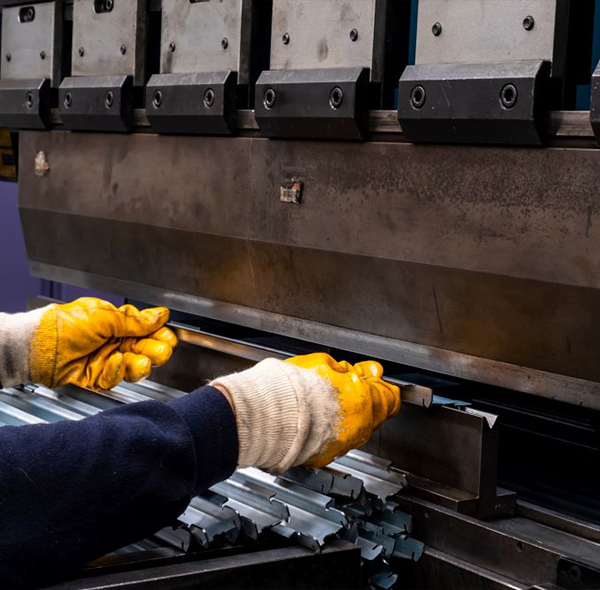
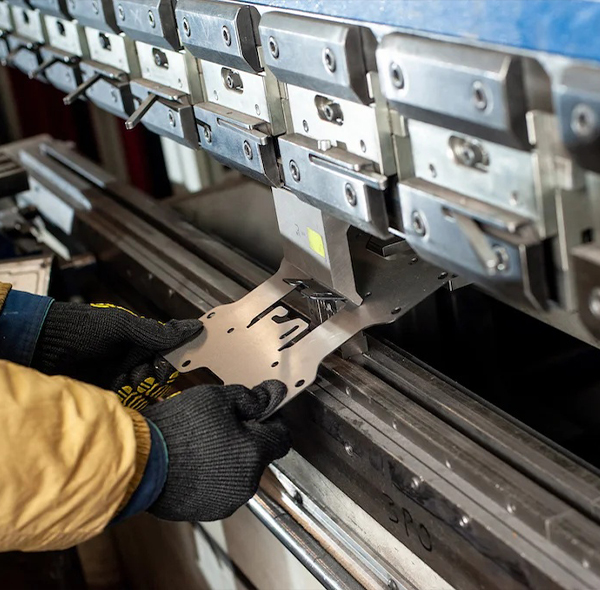
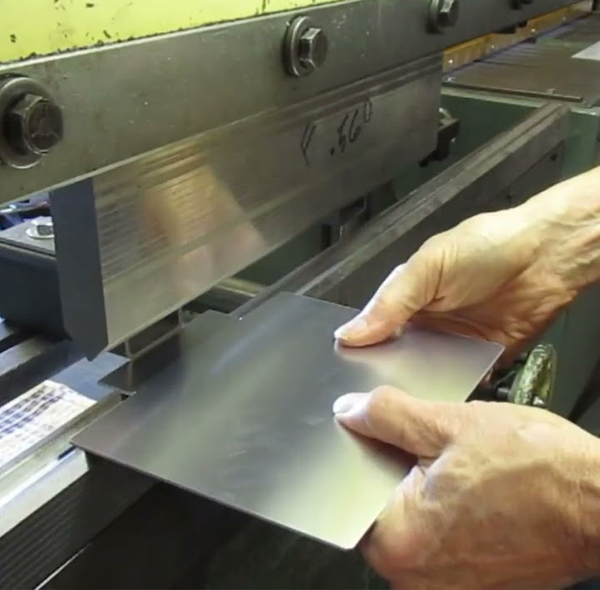
CNC sheet steel flexing offers your project better repeatability, faster configuration, and a lot more regular angles throughout manufacturing sets. A cnc device manages ram activity, backgauge positioning, and bend sequence, which helps in reducing variant when creating accurate metal parts.
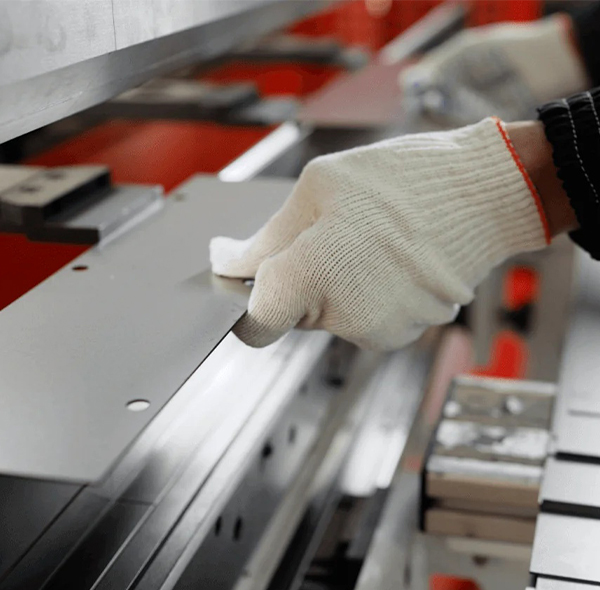
Press brake flexing is suitable for several custom sheet steel bending jobs since it supports flexible tooling, scalable manufacturing, and exact developing across several products. With the best press brake, brake configuration, and flexing equipment approach, cnc bending can supply tidy sides, regulated springback, and reputable dimensional precision.
Which Bending Approach is Right?
The most effective bending approach depends on material density, alloy, span, resistance, production quantity, and look requirements. Air bending is adaptable and cost-effective due to the fact that it makes use of much less bending force and can develop various angles with usual devices. Base flexing offers more powerful angle control when the layout and tonnage demands enable it.
A lot of sheet metal bending tasks use cool flexing because it is effective for numerous common products. Cold and hot flexing might be thought about when metal is thicker, harder, or more probable to fracture. We clarify the advantages and downsides of each flexing procedure so you can make a practical production choice.
How Do We Regulate Resistance, Band Span, and Dimension Precision?
Tolerance control begins before the first bend. We inspect material density, bend distance, bend distances, springback, bend allocation, device option, and tonnage needs to minimize variation. The flexing force needs to match the metal, radius, and tooling to stay clear of distortion or irregular angles.
During manufacturing, our group confirms critical functions such as flange length, angle, inside bend, opening locations, and final geometry. This method sustains precision metal flexing for sheet steel components that must suit assemblies, mounting systems, device frames, and finished items.
Where Are Bent Sheet Steel Parts Typically Used?
Bent sheet metal components are utilized across equipment, electronics, building and construction, energy, transportation, automation, clinical equipment, retail components, and industrial rooms. A tactical sheet metal part can add rigidity, minimize weight, streamline setting up, and improve the appearance of a finished item.
Usual applications include braces, trays, housings, covers, guards, networks, mounting plates, control board, tools frameworks, and custom-made rooms. When you need to flex sheet metal for useful strength and clean discussion, our steel fabrication group helps turn your drawing right into a ready-to-use part.
Ready to Beginning Your Sheet Steel Bending Job?
Send your CAD data, attracting, sample picture, or specifications, and we will certainly evaluate the material, thickness, bend distance, resistance, and production needs. Our group can aid you choose the right bending process, flexing device, and manufacture prepare for strong, exact, economical components.
Request a quote today and get specialist support for customized sheet metal bending, cnc sheet metal flexing, press brake flexing, and complete sheet steel manufacture.