




Ultimate Sheet Metal Surface Finish Guide for Custom Sheet Metal Parts
Selecting the best surface area coating for sheet metal can figure out whether your component just looks acceptable– or does dependably in the real life. This sheet steel surface coating guide helps designers, item developers, purchase teams, OEM buyers, and producers compare sheet steel ending up alternatives, lower danger, and define the ideal steel finish for prototypes and production. Use it to straighten product, look, durability, price, preparation, and end-use performance prior to you purchase custom sheet metal components.
Why Does Surface Finish Issue for Customized Sheet Metal Components?
A surface area coating is not only about look. For custom sheet steel components, the coating can protect the steel surface, enhance dealing with safety and security, support assembly, and prolong life span. As-cut parts may show tool marks, burrs, staining, or surface area blemishes, while post-processing can enhance aesthetic appeals and anti-corrosion efficiency.
The appropriate sheet metal surface also assists control item perception. A visible unit may need a cosmetic surface, a control board might need a combed surface, and outdoor sheet steel elements might require powder coat, plating, or an additional surface therapy to improve deterioration resistance.
Custom Sheet Metal Parts Surface Finish Guide
Explore common sheet metal surface finishes, including powder coating, anodizing, plating, brushing, blasting, and passivation for custom parts.

Deburring
Ideal for safe handling, clean assembly, and functional sheet metal brackets, panels, and housings.

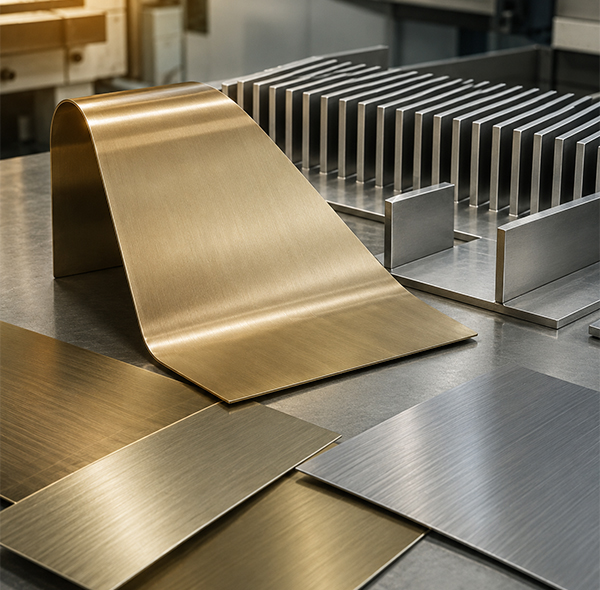
Brushed Finish
Best for visible covers, appliance panels, control boxes, and decorative stainless steel parts.

Polishing
Used for premium trim, display parts, food equipment, and decorative metal components.

Bead Blasting
Suitable for uniform matte parts, laser-cut panels, prototypes, and non-glare metal surfaces.
Powder Coating
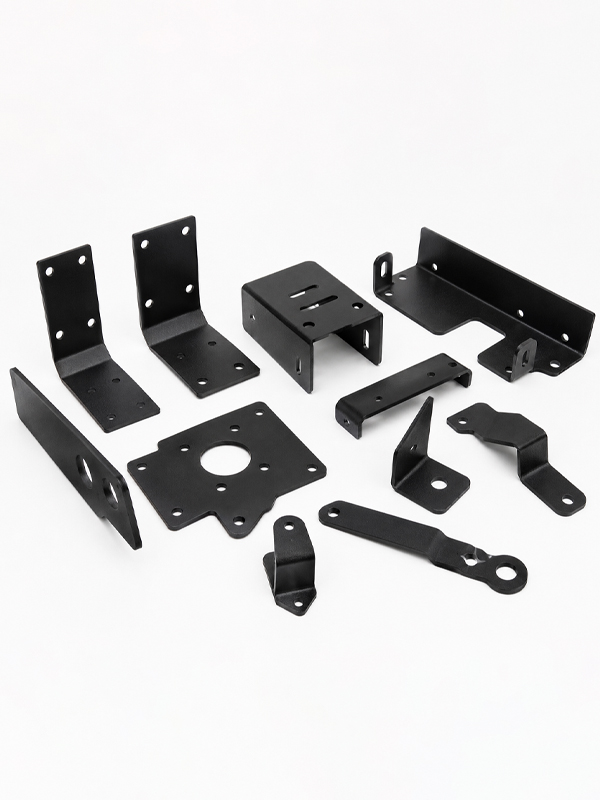
Great for outdoor enclosures, machine guards, cabinets, and colored custom sheet metal parts.

Wet Painting
Used for custom colors, small batches, complex assemblies, and brand-matched metal products.

Anodizing
Ideal for aluminum panels, electronic housings, brackets, and corrosion-resistant decorative parts.

Chromate Conversion
Used for electrical parts, aerospace panels, aluminum chassis, and paint-ready components.
What Sheet Steel Finishing Options Are Available?
Usual sheet steel ending up alternatives include powder layer, layering, plating, grain blasting, combed surface, polishing, passivation, galvanizing, painting, and a common finish for parts that do not need second ending up. Each alternative modifications appearance, protection level, cost, and production circulation.
The most effective metal completing options depend on the type of coating, material, and end-use setting. For instance, grain blasting can remove burrs and develop a fine grain matte surface, while brightening gets rid of material to improve level of smoothness and shine.
Powder Coat, Plating, Anodizing, or Grain Blasting: Which Finish Is Best?
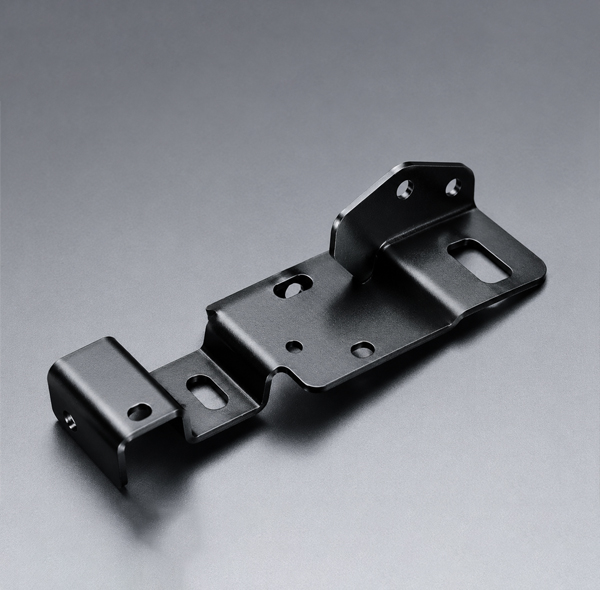
Powder coat is usually picked for rooms, braces, panels, and devices real estates since it develops a durable protective and visual layer. The process normally makes use of electrostatic application and warm treating to bond powder to the part, creating a challenging finishing ideal for numerous commercial and industrial items.
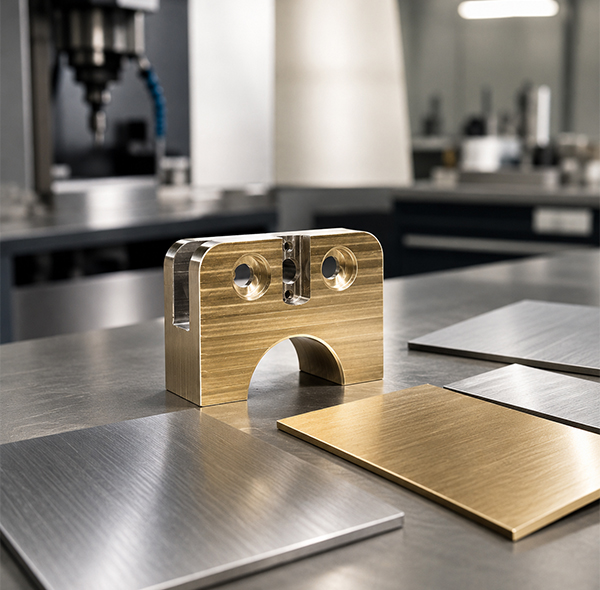
Layering can include a protective surface layer to steel sheet steel components, while plating is a strong option for aluminum sheet steel components because it develops an oxide layer on the light weight aluminum surface. Bead blasting and combed surface choices work when the customer requires a regulated surface area structure, a satin coating, or a costs visual result without hefty coating accumulation.
How Do You Choose the Right Surface Area End Up for Sheet Metal?
To pick the best surface area finish, begin with the part’s function. Will the sheet steel component be revealed to dampness, chemicals, UV, abrasion, or duplicated handling? Will it show up to consumers? Does the attracting call for a details color, gloss, emerge roughness, or covering up location?
Picking the best surface likewise implies harmonizing cost and threat. A low-priced surface coating may work for inner prototype components, but production components made use of outdoors may need a higher-performance surface therapy. The suitable coating safeguards the part without over-engineering the task.
How Do Materials Affect Surface Area Finish for Sheet Metal?
Different sheet steel products respond differently to ending up. Stainless steel naturally supplies rust resistance and is frequently used for stainless-steel parts where sanitation and look issue. Aluminum sheet metal components typically pair well with anodizing, grain blasting, or powder layer. Steel sheet steel parts frequently require plating, paint, galvanizing, or powder coating for protection.
The coating depends on alloy, density, cut sides, welds, bends, and area. Some types of steel approve coatings quickly, while others need additional cleansing, etching, or masking. A specialist group can suggest personalized finishes that match your custom-made steel components to genuine manufacturing conditions.
Just How Do Deterioration Resistance and Durability Needs Adjustment Complete Option?
For exterior, marine, transportation, energy, or commercial tools, corrosion resistance must be specified early. A finish that looks efficient shipment may fail if the component deals with salt spray, humidity, cleaning agents, or abrasion. Appropriate completing enhances sturdiness and lowers substitute cost.
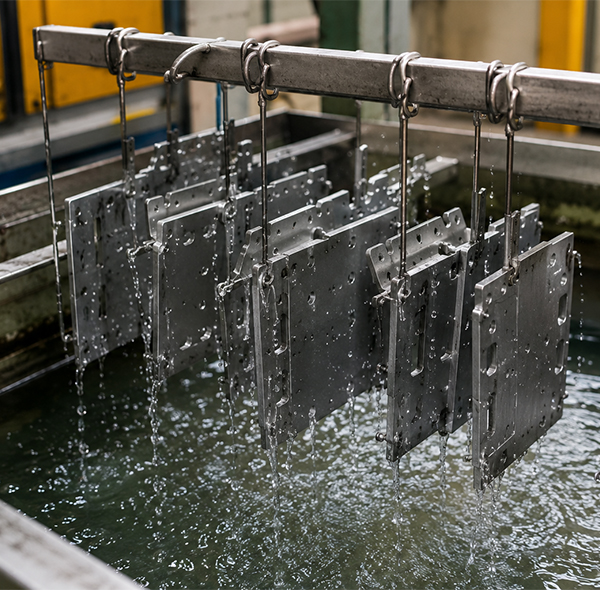
If your job requires lasting security, request for an professional suggestion before securing the illustration. Powder layer can supply a protective obstacle, layering can help steel stand up to deterioration, and anodizing can add deterioration protection to aluminum through a crafted oxide layer.
What Surface Area Preparation Is Required Before the Finishing Refine?
A dependable finishing process beginnings prior to the covering is used. Surface area preparation might consist of deburring, cleaning, degreasing, blasting, fining sand, covering up, or chemical pretreatment. These actions get rid of oils, dirt, burrs, and surface area abnormalities that can create poor bond or visible problems.
Throughout the surface area completing procedure, preparation helps transform a rough surface area right into a more constant base for covering or sprucing up. Nordson keeps in mind that powder coating workflows can consist of blasting, prep work, pretreatment, covering up, coating, curing, quality assurance, and last evaluation.
How Do Aesthetic Complete, Tolerance, and Component Geometry Collaborate?
A ornamental surface must be intended around bends, welds, bolt holes, dilemmas, and covering up areas. Complicated part geometry can influence coating coverage, drain, rack marks, and side accumulation. If a product requires both visual top quality and limited fit, the finish should be discussed before construction beginnings.
The chosen steel finish can additionally affect producing tolerance. Coatings include density, while brightening and mechanical finishing eliminate product. For accuracy cnc sheet steel components, very early DFM review assists prevent setting up troubles after the coating is used.
Ready to Choose the Right Surface Area End Up for CNC Sheet Metal Parts?
Bring your drawing, material selection, finish target, and application information to a producer that comprehends both fabrication and completing. Whether you require cnc sheet metal components, rooms, braces, panels, covers, or complex steel components, the best partner can help compare kinds of surface coatings and determine the right surface.