
Window Handle & Door Handle Manufacturing Capacity
This gives window and door manufacturers, hardware brands and distributors a clearer basis for evaluating repeat supply.
Capacity You Can Evaluate—Not Just a Headline Number
CHIER therefore reviews capacity at product and process level, using the confirmed model, quantity, SKU mix, finish, packaging and delivery schedule.
Manufacturing Capability Matrix
| Parameter | CHIER Manufacturing Support |
|---|---|
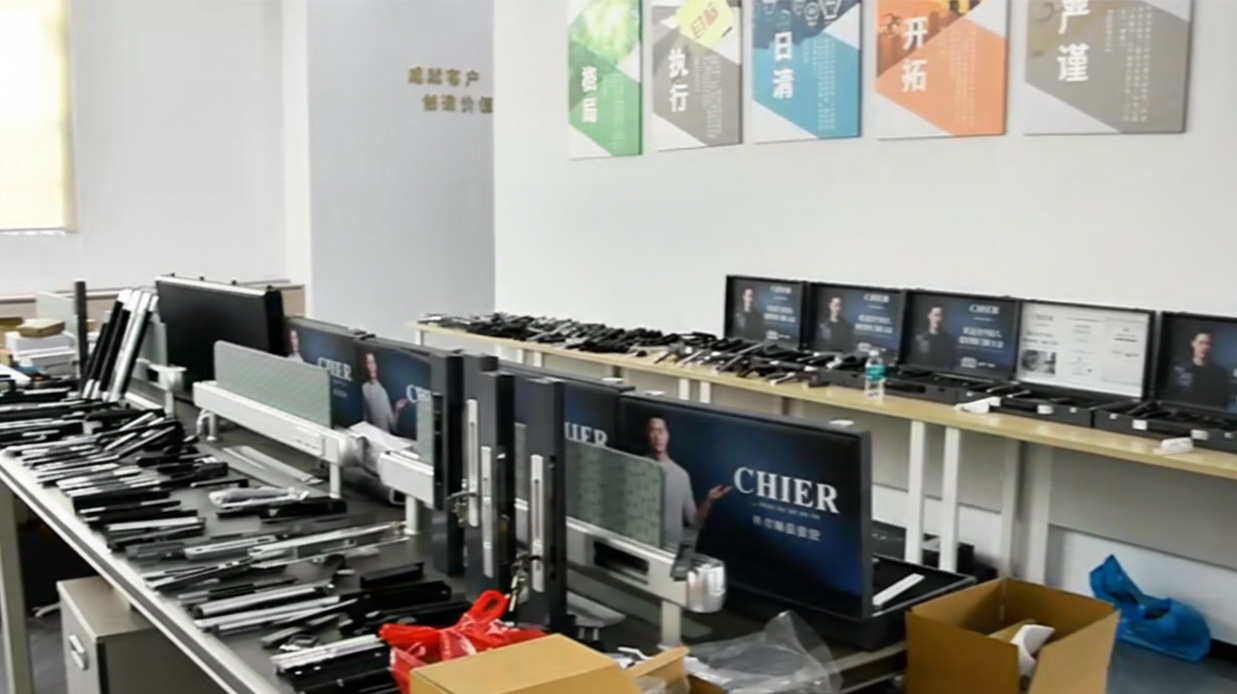
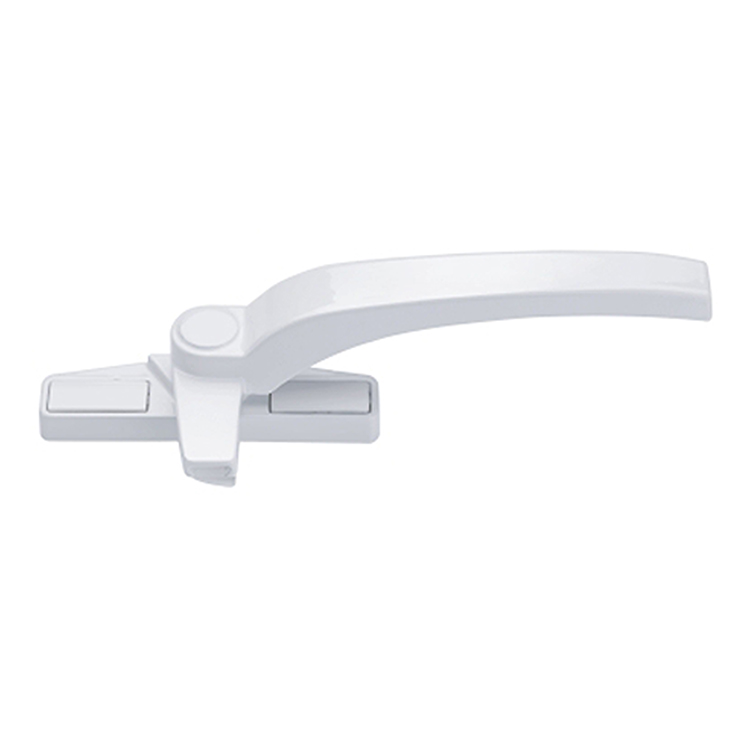
| Product Programs | Window handles, door handles, casement handles, sliding handles, locks, hinges, latches and related door and window hardware |
| Required Inputs | 2D/3D drawings, physical samples, profile sections, lock or gearbox information, finish references, target quantity, SKU mix and delivery window |
| Forming Processes | Die casting and stamping or pressing where required by the material, component and product design |
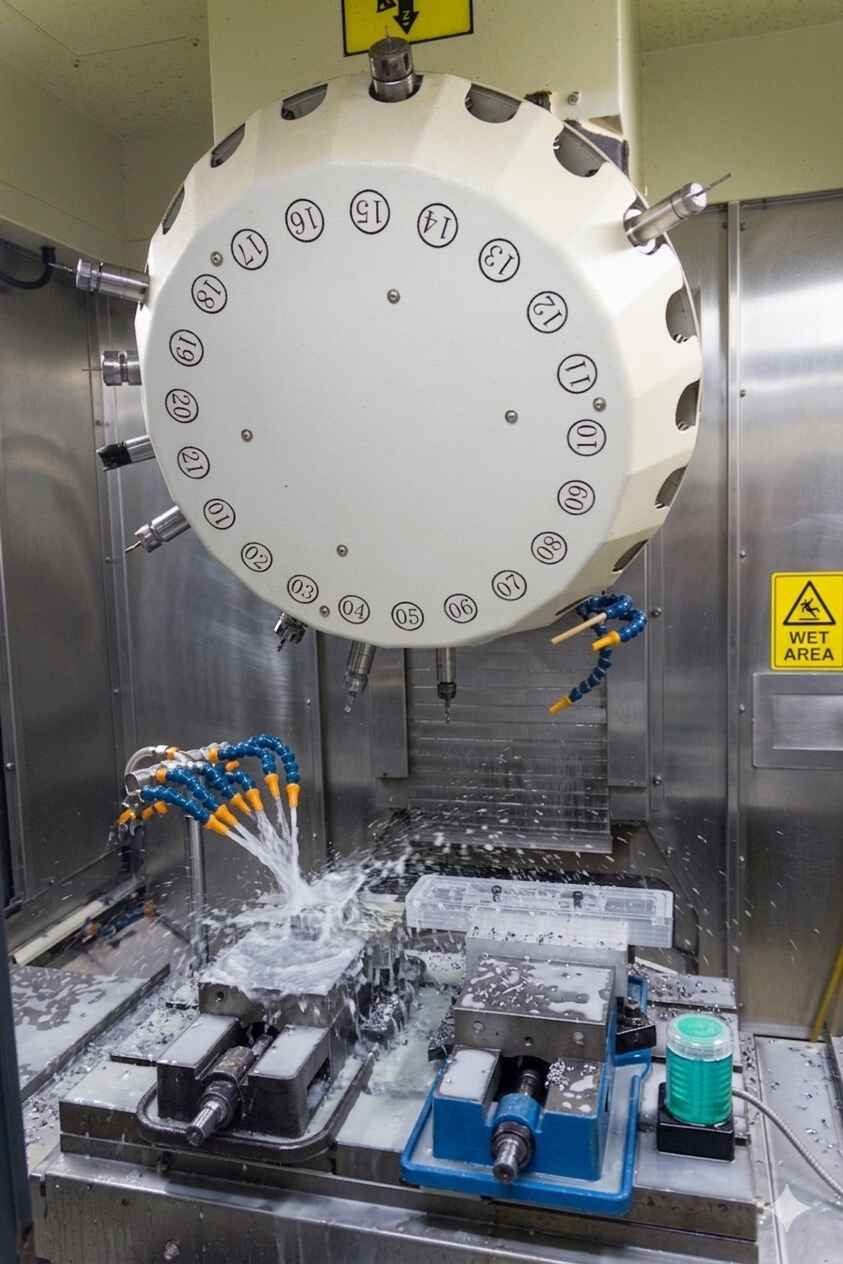
| Precision Machining | CNC machining, drilling and tapping for mounting points, screw interfaces, fork or spindle connections and mating dimensions |
| Finish Coordination | Finish route, color, texture and appearance references are confirmed for each model; external processing, where used, is included in production planning |
| アセンブリ | Model-specific assembly based on the approved construction, components and functional reference |
| Inspection & Pack-Out | Inspection against agreed dimensions, function, appearance and order requirements, followed by buyer-specified labeling and packaging |
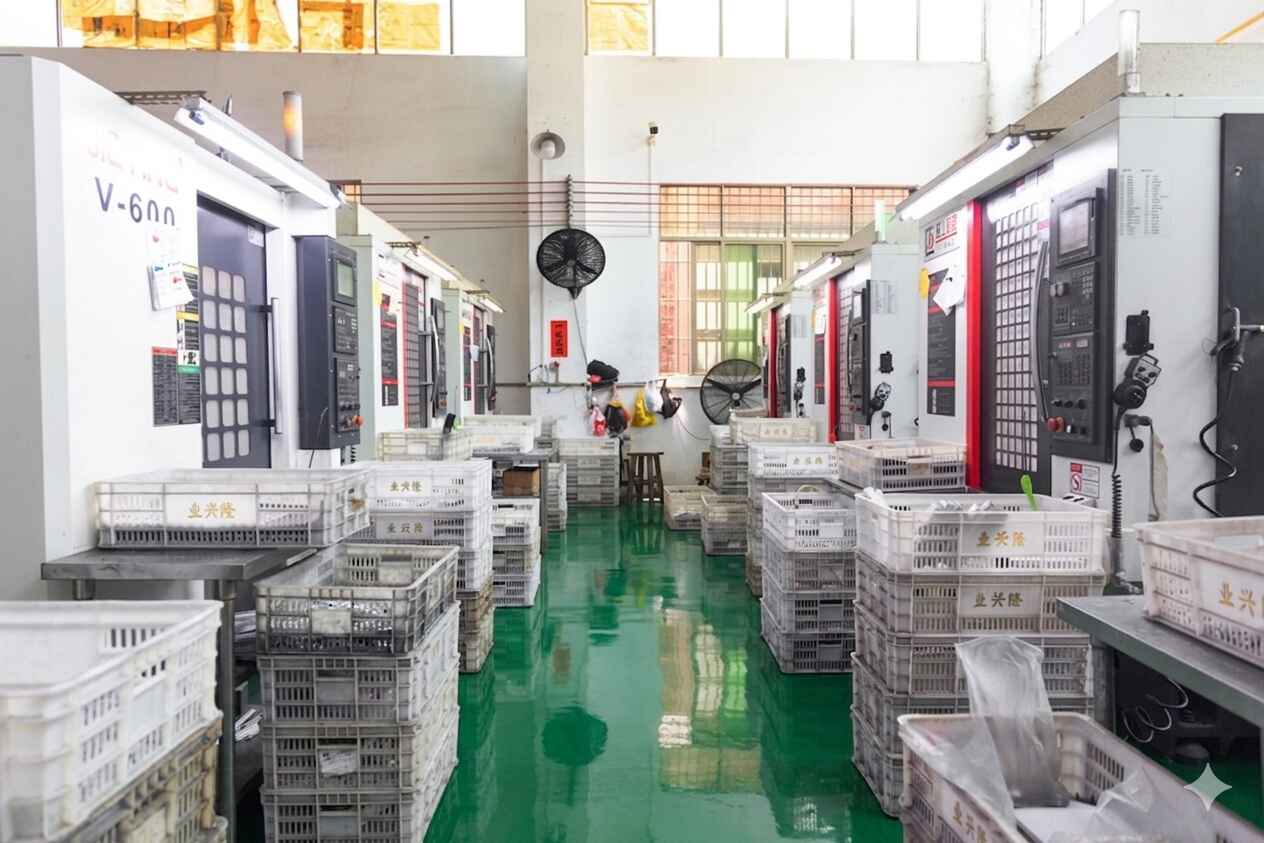
| Capacity Confirmation | Reviewed by product family, process route, order quantity, SKU mix, required period and current production load |
| Repeat Orders | Current drawings, approved references, finish requirements and packaging versions are checked before production release |
What Supports Repeatable Manufacturing
- Capacity is reviewed against the actual product and manufacturing route, not a generic factory-wide number.
- First-order quantity and annual volume forecasts are considered separately.
- SKU, finish, component and packaging variations are included in the production review.
- Drawings, samples and applicable revisions are confirmed before trial or bulk production.
- Potential bottleneck operations are reviewed before the delivery plan is confirmed.
- New products move through feasibility review, sampling, approval and trial production before bulk release.
- Inspection and pack-out requirements are included in production planning rather than treated as afterthoughts.
| Production Path | Best-Fit Guidance |
|---|---|
| Approved-Product Repeat Production | Best for existing or previously approved models. Planning starts from the current drawing or sample, SKU mix, packaging requirements and requested delivery window. |
| New or Custom Product Introduction | Best for new designs, sample-based adaptation or custom requirements. Allow for feasibility review, tooling or fixture preparation, sampling, approval and trial production before bulk scheduling. |
Capacity Planning by Order Profile
| Order Profile | Planning Focus |
| Single-SKU Volume Order | Confirm the complete process route, likely bottleneck operation, component supply, assembly content and required production period for one principal model |
| Mixed-SKU Product Range | Account for setup changes, finish grouping, component availability, different assembly requirements and SKU-specific packaging |
| New OEM/ODM Launch | Complete feasibility review, sample approval and trial production before defining the bulk-production schedule |
| Repeat or Seasonal Reorder | Review the current approved version, forecast volume, finish and material availability, packaging revision and requested shipping window |
Manufacturing Support Across CHIER Product Programs
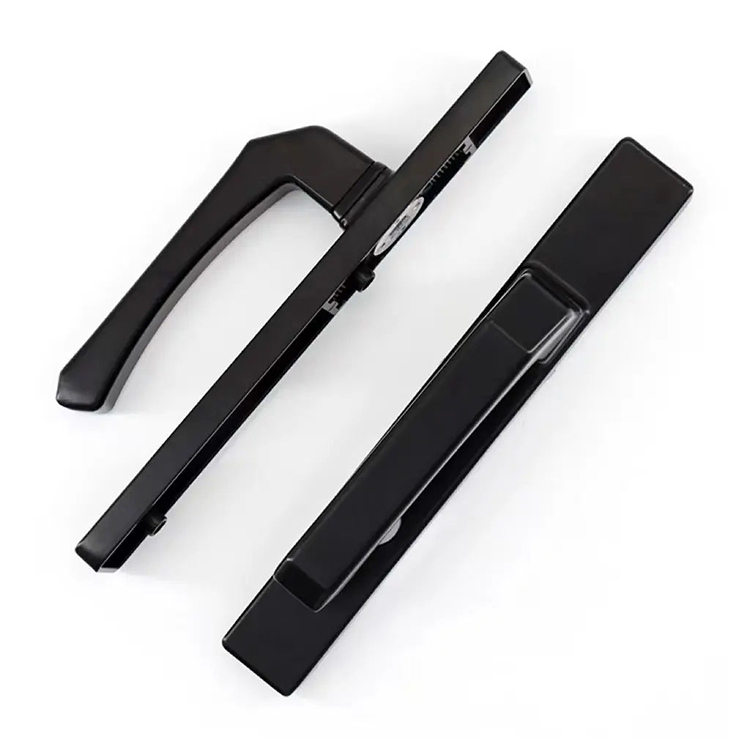
Window Handle Programs
Door Handle & Locking Programs
Multi-SKU Hardware Programs
Manufacturing Capacity Must Protect the Approved Standard
CHIER connects the production plan to the approved drawing or sample, agreed critical points, inspection requirements and final pack-out standard. This helps buyers maintain product consistency as a program moves from sampling into trial production, bulk orders and repeat supply.
How CHIER Moves an Approved Product Into Repeat Production
Define the Order
Validate the Manufacturing Route
Release and Repeat
Capacity Evidence Buyers Can Request
Manufacturing Capacity FAQ
CHIER reviews capacity by product family and manufacturing route, then checks the likely bottleneck operation against the order quantity, SKU mix, required period and current production load. A final plan is confirmed after the model, drawing or sample, finish, packaging and target delivery window are clear.
Please provide the product type, drawing or sample, profile and locking-system information where relevant, first-order quantity, annual forecast, number of SKUs, finish mix, packaging requirements and requested delivery window. For handles, include mounting centers, base dimensions and fork, spindle or gearbox interfaces when available.
Yes. Mixed-SKU programs are reviewed by process route, component requirements, finish grouping, setup changes, assembly content and pack-out differences. Because of these variables, a mixed product range should not be estimated using the production rate of only one model.
Buyers can submit an audit checklist and request an on-site or virtual review focused on relevant manufacturing routes, current process media, approval references, inspection points and capacity-planning assumptions for the proposed order. The audit scope is agreed before the review.

Talk to Our Manufacturing Team
Can CHIER Support Your Order Volume and SKU Mix?
CHIER will review the required manufacturing route, likely capacity constraints and the information needed to move your project from approval into repeat production.