OEM Window Handles & OEM Door Handles for Custom Hardware Programs

From released drawings and reference samples to co-developed product series, CHIER helps door and window brands, system manufacturers, fabricators and distributors turn technical requirements into controlled production.
Align compatibility, function, finish, packaging, inspection requirements and revision ownership before moving from sample to repeat orders.

OEM/ODM Support Built Around Your Buying Model

Different buyers face different sourcing risks. Start with your application, product ownership and distribution model so the technical review focuses on the decisions that matter to your program.

Door & Window System Manufacturers

Match handle bases, mounting centers, spindles or forks, handing and lock interfaces to the profile and opening system before production release.

Hardware Brands & Private-Label Buyers

Develop a distinctive series or adapt an existing structure with agreed finishes, branding, packaging, IP boundaries and revision ownership.

Importers, Distributors & Wholesalers

Plan multi-SKU ranges, product labels, carton marks, accessories and reorder codes around your warehouse and channel requirements.

Project & Specification Buyers

Translate project schedules, system compatibility, appearance requirements and required inspection evidence into a practical sourcing plan.

OEM or ODM: Choose the Right Development Route

The right route depends on what you already control: a released drawing, an approved sample, an existing profile system or only a functional requirement.

Your Design. Controlled Manufacturing.

Best for buyers with released drawings, defined specifications or an approved reference sample.
  • You provide drawings, specifications, samples and acceptance criteria.
  • CHIER reviews manufacturability, critical dimensions, production processes and pack-out requirements.
  • Tooling, production, inspection, labeling and packaging follow approved documents.
  • Drawing ownership, tooling responsibility and change-notification rules are confirmed before development.
Validated designs, proprietary products, supplier replacement programs and projects requiring strict buyer control over specifications.

Your Application. A Jointly Developed Solution.

Best when you have a profile, target function, reference product or market requirement but still need engineering support.
  • Start from the application, profile section, mating hardware, sample or product concept.
  • Compare existing structures, product modifications and new-tool options.
  • Develop and review drawings, samples, interfaces, finishes and packaging before release.
  • Define ownership, approved revisions and future product variants in writing.

OEM/ODM Product Scope

Develop a focused handle series or coordinate related door and window hardware within one documented product program.

Window Handles

Casement, locking, fork, spindle and slim-handle configurations matched to profile geometry and operating requirements.

Door Handles

Lever, pull, sliding, lift-slide, flush and lock-integrated configurations for different door systems.

Casement Handle

Base dimensions, spindle or fork interface, rotation, handing and locking function reviewed for casement applications.

Sliding Handle

Low-profile, recessed and pull-style options planned around sash clearance, grip, fixing points and opening direction.

Casement lock

Lock body, keeper position, operating travel and mounting relationships defined against the sash and frame.

Window Sash Locks

Crescent and related locking configurations coordinated with keeper position, grip, mounting dimensions and finish.

Multipoint Door Locks

Backset, centers, faceplate, locking points and gearbox interface reviewed as one complete door-system specification.

Lock Boxes

Lock-box dimensions, spindle input, latch or deadbolt function and connecting components aligned to the door profile.

Sliding Lock

Lock and keeper combinations reviewed for sash movement, engagement, available installation space and operation.

Touch Lock

Compact push or touch mechanisms developed around travel, retention, mounting method and repeated operation.

Window Hinges

Size, opening geometry, mounting points and application requirements defined for the target window system.

Door Hinges

Hinge configuration, fixing pattern, clearances and application conditions reviewed before selection or development.

Window Latches

Latch, strike, reach and release action aligned with window geometry and intended operation.

Door Latches

Latch body, strike position, handle interface and door preparation coordinated as a complete system.

Door and Window Hardware

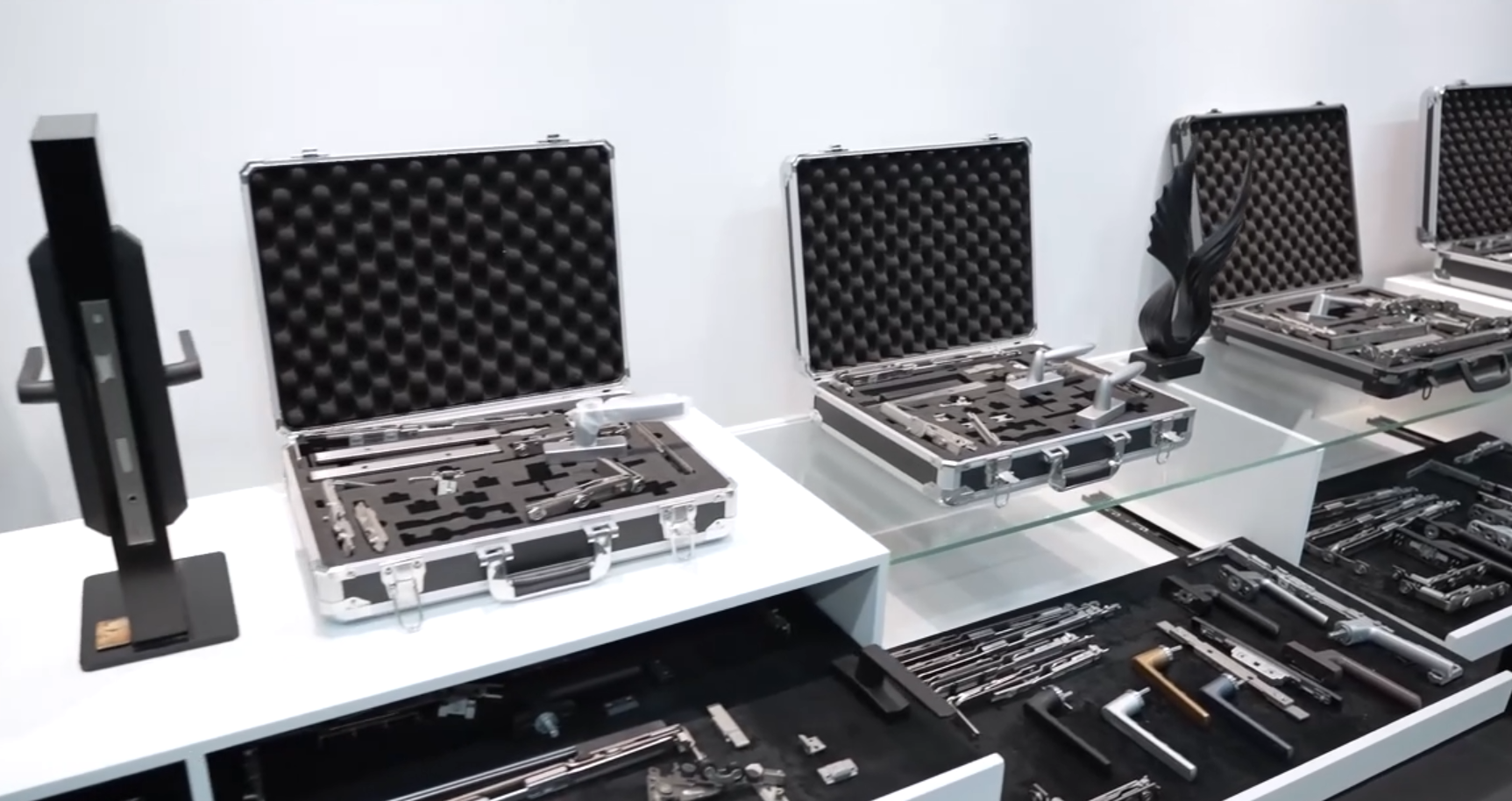
Handles, locks, hinges, latches and accessories organized through a shared BOM, finish plan, packaging and revision structure.

Engineering Controls Before Tooling and Production

A successful custom program depends on controlling the interfaces that affect installation, operation, appearance and future repeat orders—not simply producing the external shape of a handle.
DFM & tolerance strategy

Variant and SKU Planning

Plan product variants as one controlled family instead of creating disconnected one-off SKUs.

  • Variant matrix and shared-component logic
  • Handing, length, function and finish combinations
  • Model, revision and BOM naming
  • Accessory and fastener configuration
  • Label, barcode and pack-list alignment

This makes it easier to identify what changes between models and what must remain consistent across repeat orders.

DFM & tolerance strategy

Quality Plan and Controlled Documentation

Inspection and testing requirements are tied to the approved specification and the buyer’s stated performance targets. The exact verification scope and documents are agreed for each program.

  • Incoming-material and component checks
  • First-article dimensional approval
  • In-process CTQ dimensional and functional checks
  • Final appearance, operation and accessory inspection
  • Golden sample and approved finish reference
  • Batch identification and revision records
  • Written review of proposed specification changes
DFM & tolerance strategy

Quality Plan and Controlled Documentation

Inspection and testing requirements are tied to the approved specification and the buyer’s stated performance targets. The exact verification scope and documents are agreed for each program.
  • Incoming-material and component checks
  • First-article dimensional approval
  • In-process CTQ dimensional and functional checks
  • Final appearance, operation and accessory inspection
  • Golden sample and approved finish reference
  • Batch identification and revision records
  • Written review of proposed specification changes
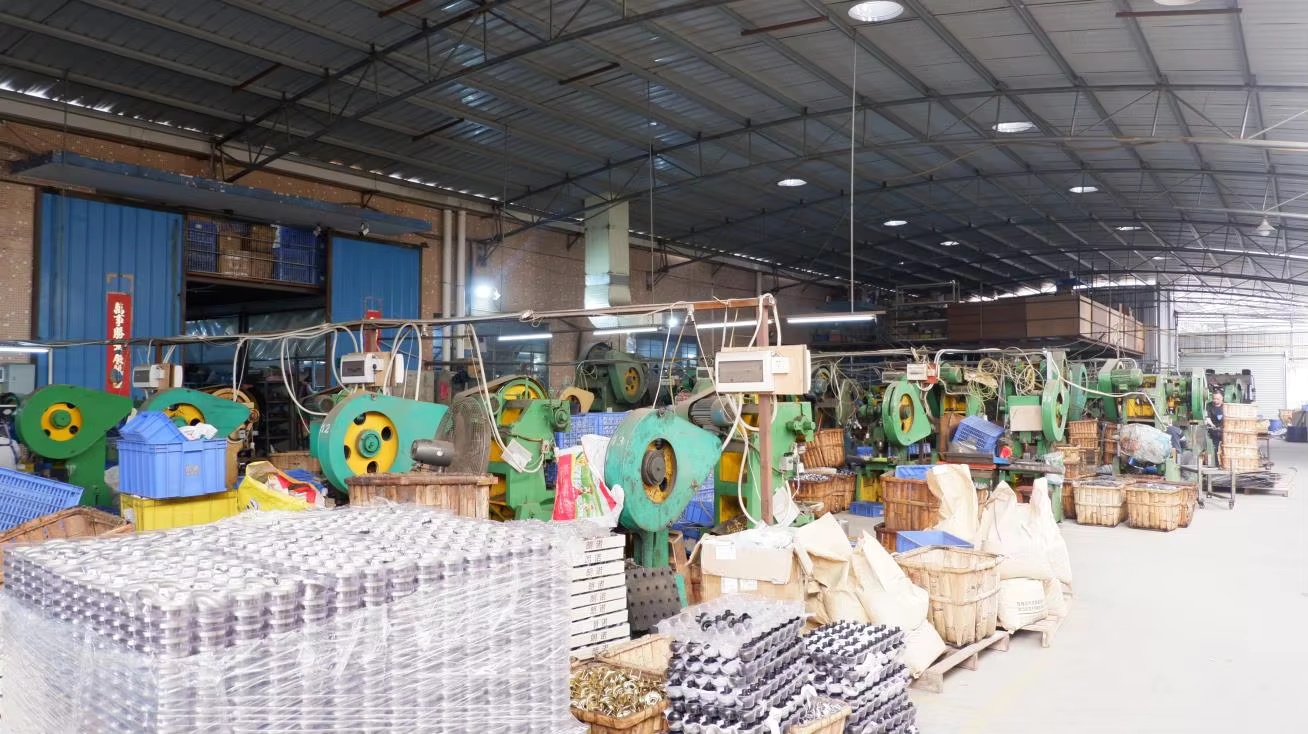
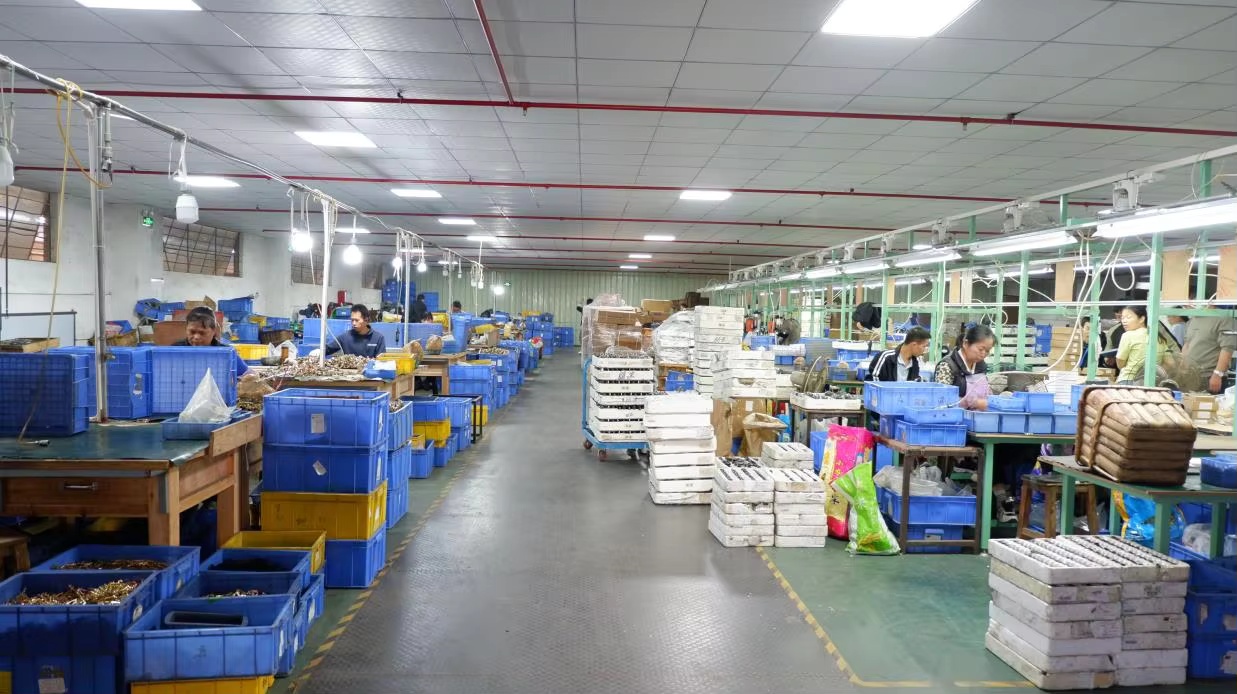
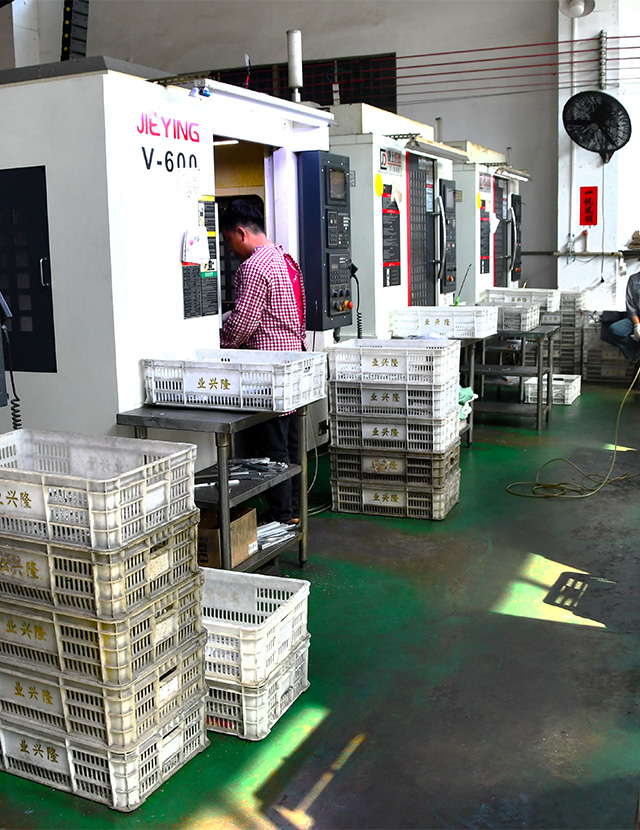
ODM factory capabilities
Our Story
Why Choose Us

Private Label, Packaging and Kitting

Packaging is part of the approved product specification. Define identification, protection, accessories and carton organization before mass production—not after products are ready to ship.

Build the Pack-Out Around Your Channel

Available options can be reviewed according to the product, order quantity and artwork requirements:
  • Product marking or logo placement
  • Individual boxes and protective inserts
  • Inner and outer carton specifications
  • Product labels, barcode labels and carton marks
  • Fastener and accessory sets
  • Installation or product-information inserts
  • SKU-family kits and mixed-SKU carton plans
  • Pallet and export-pack instructions
Final availability, artwork requirements and applicable quantities should be confirmed during quotation.

Pack-Out Controls Buyers Can Approve

A documented packaging reference can cover:
  • Protection of visible and coated surfaces
  • Product and accessory quantity checks
  • Label, barcode and model-number matching
  • Carton quantity and identification
  • Position of manuals, screws and accessories
  • Approved packaging sample or reference photos
  • Pack-list and BOM consistency
A controlled pack-out gives receiving and reorder teams a clear reference for identifying each SKU.

From Requirement to Controlled Mass Production

A six-stage development path keeps technical decisions, approvals and production references visible to both sides.
1

Requirement & Application Definition

Share the product family, opening type, profile material, profile section, mating hardware, finish direction, target market, quantity plan and packaging requirements.
2

Feasibility & DFM Review

Review interfaces, critical dimensions, material and process options, tolerance risks and whether an existing structure, modification or new tool is appropriate.
3

Drawing & Tooling Approval

Confirm drawings, tooling scope, ownership, sample plan, revision number, approval criteria and responsibilities before tooling begins.
4

Samples & Verification

Evaluate fit, operation, appearance and agreed performance checks on the intended profile or hardware system. Record required changes before resampling.
5

Pilot Run & Golden Sample

Use a controlled pilot run to confirm work instructions, inspection points, finishing, assembly and packaging before scale-up.
6

Mass Production & Reorder Control

Release the approved revision, carry out the agreed inspections, identify production batches and manage subsequent changes through written approval.

Start Your OEM/ODM Project

OEM/ODM Frequently Asked Questions

Practical answers to help you prepare drawings, samples and project information before requesting an evaluation.
What information do you need for an OEM or ODM quotation?
Please provide the product type, application, door or window profile information, opening method, critical dimensions, finish, expected quantity, packaging requirements and target market. Drawings, profile sections, sample photos and mating-hardware information help us evaluate compatibility and development scope more accurately.
A preliminary review can begin from a physical sample, clear photographs, profile section or reference product. We will first identify which dimensions, functions and interfaces must be reproduced or changed, and whether new drawings, samples or tooling are required. Buyers should confirm that they have the right to use any supplied design or reference product.
Ownership should be agreed in writing before development starts. The agreement should identify customer-supplied intellectual property, newly created drawings, tooling costs, physical tool custody, maintenance responsibility, exclusivity conditions and the approval process for future modifications. Ownership should never be assumed from the quotation alone.
The production reference should include an approved drawing revision, golden sample, BOM, finish reference, packaging specification, inspection plan and matching model or label information. Subsequent material, process, drawing or packaging changes should be reviewed and approved before implementation. The exact records and traceability scope are defined for each program.
Popup Form
Contact

Ready To Evaluate Us As Your Manufacturing Partner?

One Project Brief. Clear Approval Gates. Controlled Revisions.

Whether you need build-to-print OEM window handles, private-label door handles, an adapted hardware platform or co-development for a new product series, CHIER starts with your actual application and documentation—not a generic quotation.