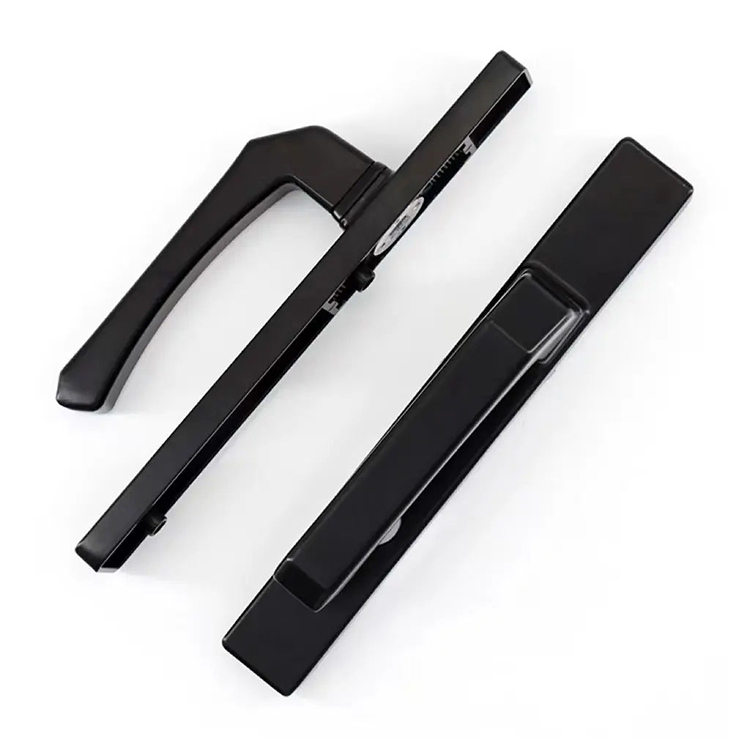
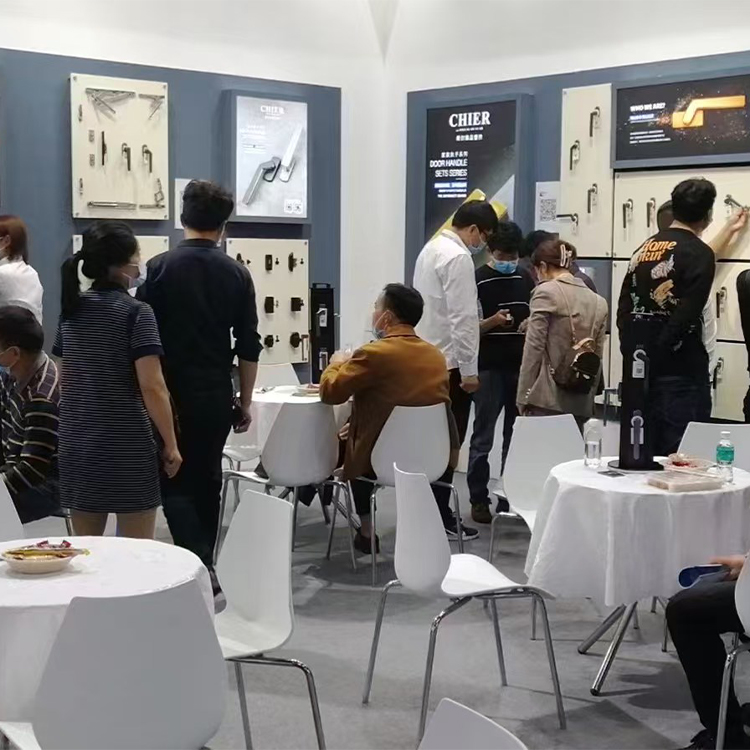
Window Handle & Door Handle Manufacturing Capacity

CHIER plans production around the approved product, manufacturing route, order volume, SKU mix and required delivery window. From forming and precision machining to assembly, inspection and export pack-out, each program is reviewed against the resources and control points it actually needs.

This gives window and door manufacturers, hardware brands and distributors a clearer basis for evaluating repeat supply.

Capacity You Can Evaluate—Not Just a Headline Number

A single factory-wide number says little about whether a specific order can run as planned. A window handle and a multipoint door lock do not use the same process route, machining time, assembly content or packaging method.
CHIER therefore reviews capacity at product and process level, using the confirmed model, quantity, SKU mix, finish, packaging and delivery schedule.

Process-Based Capacity Review

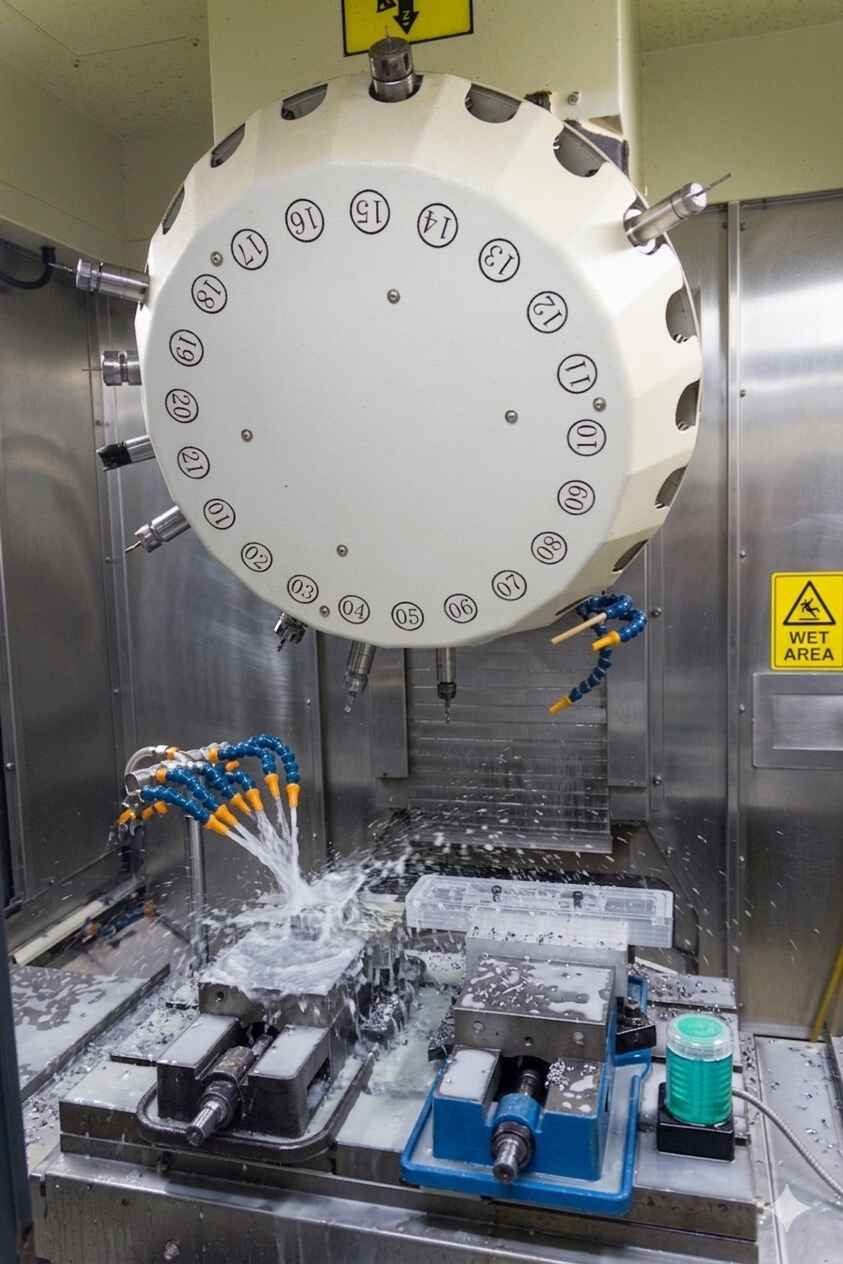
We map the required manufacturing route—die casting or stamping where applicable, CNC machining, drilling, tapping, assembly, inspection and pack-out—before confirming the production plan.
Factory Production Equipment 3

Bottleneck & Load Planning

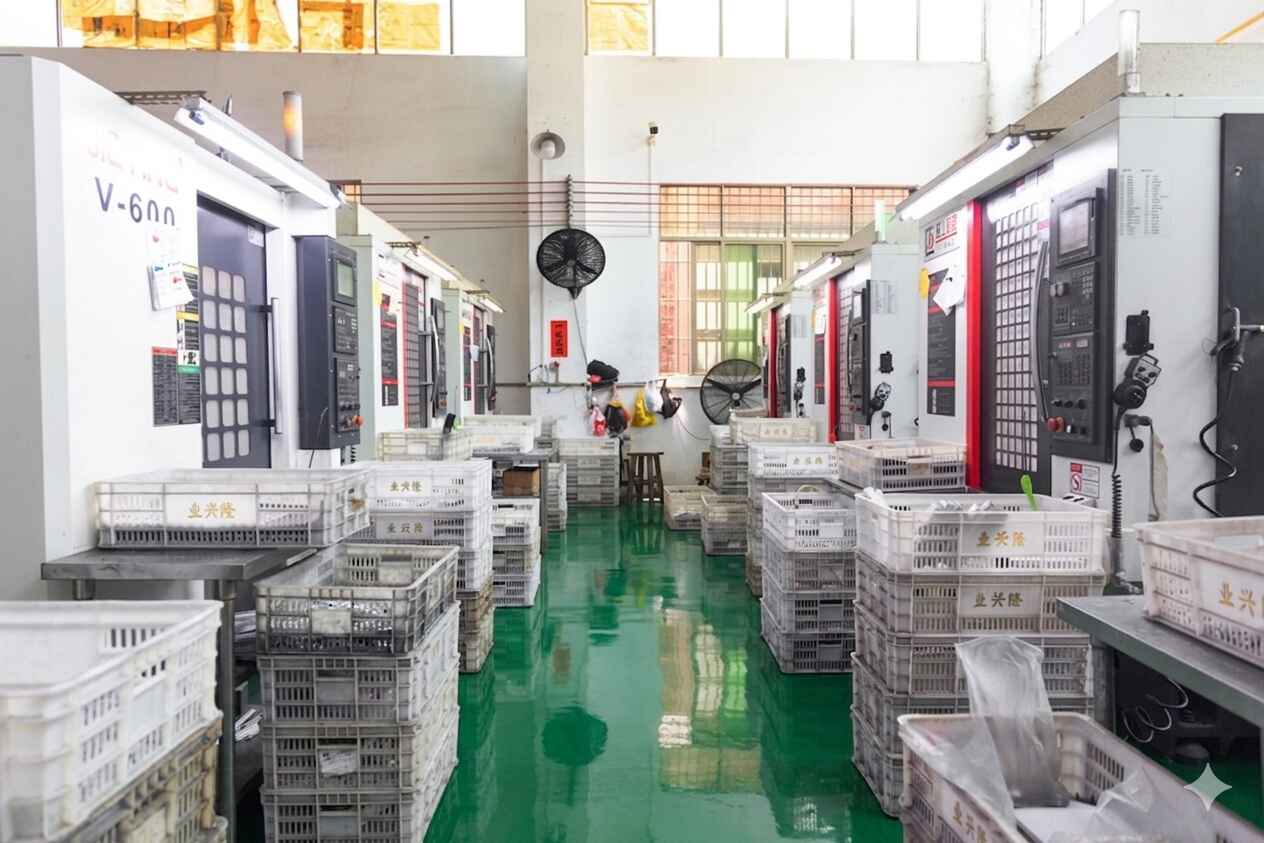
Operations most likely to limit output are reviewed against the requested production period instead of assuming every machine or line can run every product at the same rate.
Factory Production Equipment 1 2

Repeat-Order Control

Approved drawings, samples, finish references, packaging instructions and current revisions provide the working standard for trial production, bulk orders and subsequent reorders.
Nasza historia

Manufacturing Capability Matrix

Use the matrix below to understand how CHIER supports window handles, door handles and related hardware from production planning through final pack-out. Exact capacity is confirmed against the product, process route, order profile and requested delivery period.
ParameterCHIER Manufacturing Support
Product ProgramsWindow handles, door handles, casement handles, sliding handles, locks, hinges, latches and related door and window hardware
Required Inputs2D/3D drawings, physical samples, profile sections, lock or gearbox information, finish references, target quantity, SKU mix and delivery window
Forming ProcessesDie casting and stamping or pressing where required by the material, component and product design
Precision MachiningCNC machining, drilling and tapping for mounting points, screw interfaces, fork or spindle connections and mating dimensions
Finish CoordinationFinish route, color, texture and appearance references are confirmed for each model; external processing, where used, is included in production planning
MontażModel-specific assembly based on the approved construction, components and functional reference
Inspection & Pack-OutInspection against agreed dimensions, function, appearance and order requirements, followed by buyer-specified labeling and packaging
Capacity ConfirmationReviewed by product family, process route, order quantity, SKU mix, required period and current production load
Repeat OrdersCurrent drawings, approved references, finish requirements and packaging versions are checked before production release

What Supports Repeatable Manufacturing

  • Capacity is reviewed against the actual product and manufacturing route, not a generic factory-wide number.
  • First-order quantity and annual volume forecasts are considered separately.
  • SKU, finish, component and packaging variations are included in the production review.
  • Drawings, samples and applicable revisions are confirmed before trial or bulk production.
  • Potential bottleneck operations are reviewed before the delivery plan is confirmed.
  • New products move through feasibility review, sampling, approval and trial production before bulk release.
  • Inspection and pack-out requirements are included in production planning rather than treated as afterthoughts.
Production PathBest-Fit Guidance
Approved-Product Repeat ProductionBest for existing or previously approved models. Planning starts from the current drawing or sample, SKU mix, packaging requirements and requested delivery window.
New or Custom Product IntroductionBest for new designs, sample-based adaptation or custom requirements. Allow for feasibility review, tooling or fixture preparation, sampling, approval and trial production before bulk scheduling.

Capacity Planning by Order Profile

Different order structures create different production constraints. CHIER reviews the order profile before confirming how the program should move into production.
Order ProfilePlanning Focus
Single-SKU Volume OrderConfirm the complete process route, likely bottleneck operation, component supply, assembly content and required production period for one principal model
Mixed-SKU Product RangeAccount for setup changes, finish grouping, component availability, different assembly requirements and SKU-specific packaging
New OEM/ODM LaunchComplete feasibility review, sample approval and trial production before defining the bulk-production schedule
Repeat or Seasonal ReorderReview the current approved version, forecast volume, finish and material availability, packaging revision and requested shipping window

Manufacturing Support Across CHIER Product Programs

CHIER supports different manufacturing routes according to the application, construction and interface requirements of each door and window hardware program.
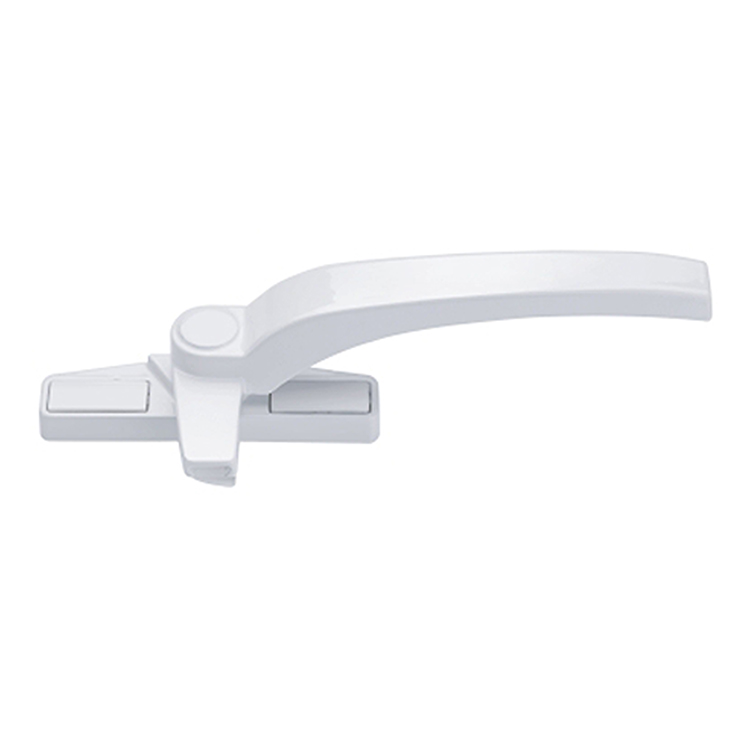
Klamki okienne
Window Handle Programs
Manufacturing support for casement, sliding and locking window handles, with attention to mounting centers, base dimensions, fork or spindle interfaces, operating direction, finish and profile compatibility.
Door Handles
Door Handle & Locking Programs
Production planning for door handles, sliding and lift-slide handles, multipoint door locks and lock boxes, including the interfaces between handles, profiles and locking components.
Multi-SKU Hardware Programs
Coordinated production support for handles, locks, hinges, latches and related door and window hardware, including SKU identification, buyer-specified labeling and consolidated pack-out.

Manufacturing Capacity Must Protect the Approved Standard

More output is not useful if mounting dimensions, operating feel, finish appearance or packaging begin to drift.
CHIER connects the production plan to the approved drawing or sample, agreed critical points, inspection requirements and final pack-out standard. This helps buyers maintain product consistency as a program moves from sampling into trial production, bulk orders and repeat supply.

How CHIER Moves an Approved Product Into Repeat Production

Define the Order

Share the product type, application, drawing or sample, finish, first-order quantity, annual forecast, SKU mix, packaging and required delivery window.

Validate the Manufacturing Route

CHIER reviews manufacturability, process sequence, tooling or fixture readiness, critical interfaces and likely bottlenecks, then aligns the sample or trial-production plan.

Release and Repeat

After approval, the released product version becomes the reference for scheduling, assembly, inspection, packaging and subsequent repeat orders.

Capacity Evidence Buyers Can Request

For supplier qualification, request current, product-relevant evidence instead of relying only on a broad marketing number. The exact documentation should be agreed for the specific product and order scope.
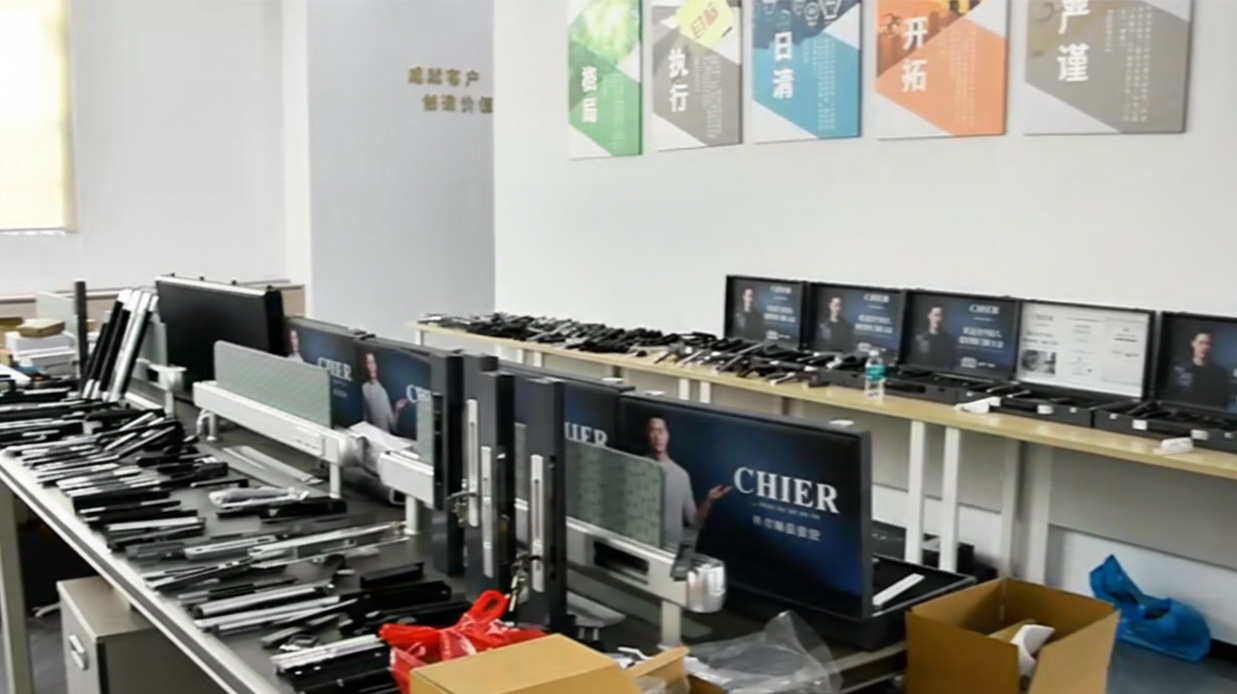
Manufacturing route and current factory photos or video relevant to the requested product family
Applicable drawing revision, specification and approved sample reference
Order-specific capacity and delivery-plan review covering quantity, SKU mix, production period and bottleneck assumptions
Trial-production, in-process inspection, final inspection and packing records included in the agreed quality scope

Manufacturing Capacity FAQ

How does CHIER assess manufacturing capacity for an order?

CHIER reviews capacity by product family and manufacturing route, then checks the likely bottleneck operation against the order quantity, SKU mix, required period and current production load. A final plan is confirmed after the model, drawing or sample, finish, packaging and target delivery window are clear.

Please provide the product type, drawing or sample, profile and locking-system information where relevant, first-order quantity, annual forecast, number of SKUs, finish mix, packaging requirements and requested delivery window. For handles, include mounting centers, base dimensions and fork, spindle or gearbox interfaces when available.

Yes. Mixed-SKU programs are reviewed by process route, component requirements, finish grouping, setup changes, assembly content and pack-out differences. Because of these variables, a mixed product range should not be estimated using the production rate of only one model.

Buyers can submit an audit checklist and request an on-site or virtual review focused on relevant manufacturing routes, current process media, approval references, inspection points and capacity-planning assumptions for the proposed order. The audit scope is agreed before the review.

Doradztwo w zakresie sprzętu na miejscu – skalowane

Talk to Our Manufacturing Team

Can CHIER Support Your Order Volume and SKU Mix?

Send us your product type, drawing or sample, first-order quantity, annual forecast, number of SKUs, finish requirements, packaging instructions and target delivery window.
CHIER will review the required manufacturing route, likely capacity constraints and the information needed to move your project from approval into repeat production.

Fast Capacity Review Checklist

Product and application: window handle, door handle, lock, hinge, latch or related hardware
Technical reference: drawing, physical sample, profile section, mounting dimensions, fork, spindle or locking interface
Volume profile: sample quantity, first order, annual forecast, SKU count and finish mix
Delivery and packaging: required shipping window, unit packing, labels, barcodes, carton marks and pallet requirements
Kontakt