



How To Audit An Overseas Sheet Metal Factory
Count on the flooring.
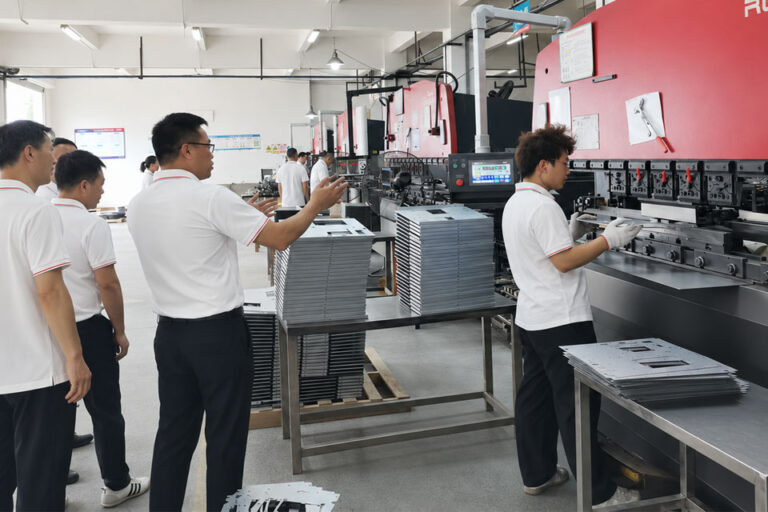
An actual sheet metal factory audit beginnings where the sales deck quits: at the laser bed, the press brake tooling shelf, the welding bay, the powder-coating line, the examination bench, the scrap bins, and the transcribed rework notes nobody intended you to see. Why would we investigate the meeting room?
I’ll be blunt: most abroad factory audit failures happen due to the fact that customers audit the business, not the process. They validate a business license, glance at ISO 9001 certifications, photo a couple of makers, and call it provider certification. That is cinema. A sheet metal provider audit needs to confirm whether the manufacturing facility can repeatedly cut, flex, weld, surface, pack, and ship parts within resistance after the sample maker leaves and the manufacturing team takes over.
The aerospace sector offered everyone a public lesson in 2024. The FAA’s Boeing 737-9 MAX upgrade stated its six-week audit of Boeing and Spirit AeroSystems found non-compliance in manufacturing process control, parts managing and storage space, and product control; Reuters later reported that Boeing failed 33 of 89 audit examinations, while vendor Spirit AeroSystems passed just six of 13. That was not a “cheap abroad manufacturing facility” tale. That was a controlled-industry vendor oversight tale, and it needs to frighten any individual acquiring steel get rid of just a PDF list.
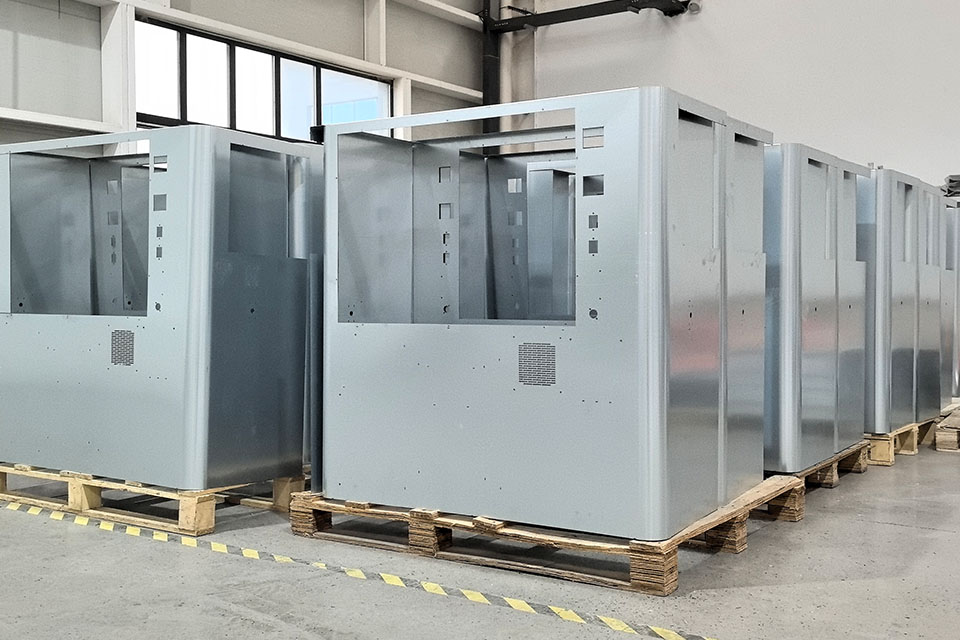
What a Sheet Metal Manufacturing Facility Audit Need To Confirm
An appropriate sheet metal manufacturing facility audit solutions five questions:
- Can this supplier make the component?
- Can they make it consistently?
- Can they examine it honestly?
- Can they trace material, drivers, makers, and rework?
- Can they endure routine stress without quietly transforming the process?
That last one issues. I have no persistence for the expression “excellent factory” when no person has actually inspected just how the factory behaves under tons. A quiet workshop at 10:00 a.m. on audit day informs you very little bit. I wish to know what happens at 9:30 p.m. when the export shipment is late, the press brake operator is new, the bend deduction is incorrect, and the powder coat booth has contamination.
For sheet metal, your audit scope ought to consist of:
Capability validation
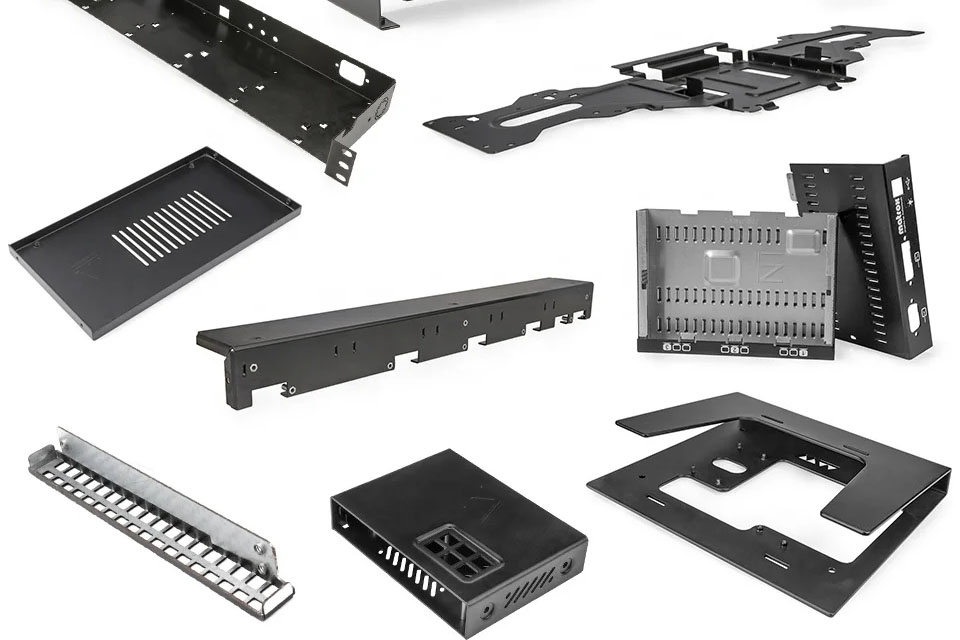
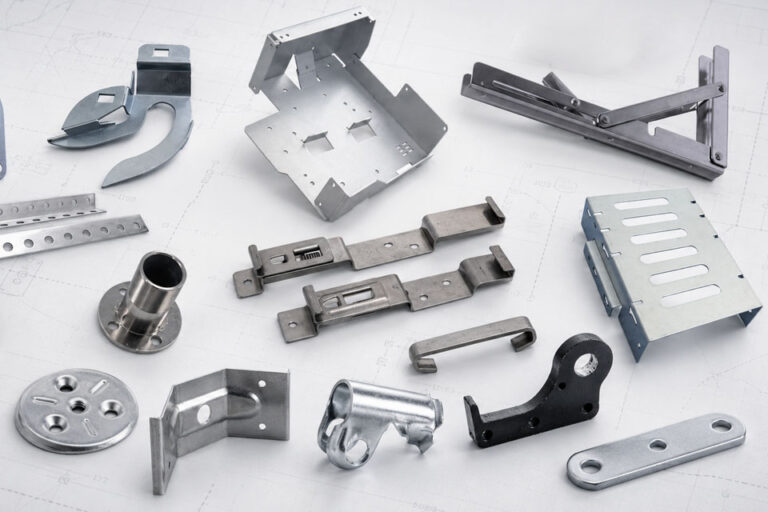
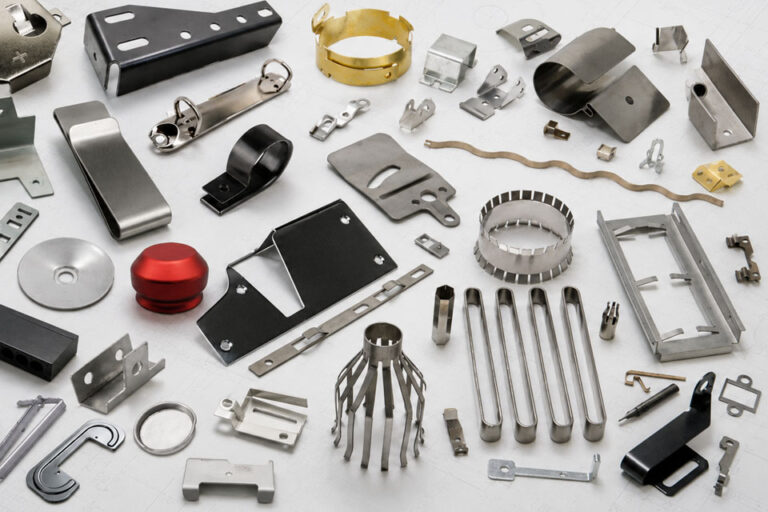
Examine whether the factory’s claimed ability matches the part family you require. If you are purchasing custom-made sheet metal components, do not accept common insurance claims like “we can make everything.” Request current production examples using your target material and resistances: SS304, SS316, SECC, SPCC, SGCC, Q235, AL5052-H32, AL6061-T6, 1.0 mm cold-rolled steel, 2.5 mm aluminum, or 3.0 mm stainless.
The audit should confirm:
- Laser cutting capability: fiber laser wattage, bed dimension, nitrogen/oxygen aid gas control, kerf settlement
- Press brake ability: tonnage, axis control, tooling availability, backgauge calibration
- Welding capacity: MIG, TIG, spot welding, component control, distortion control
- Completing capability: deburring, cleaning, anodizing, plating, powder finish, passivation
- Assessment capacity: calipers, micrometers, elevation evaluates, CMM accessibility, coating thickness evaluates, weld evaluates
A vendor who can not show bend-test documents, weld components, coating density logs, and corrective-action background is not “flexible.” They are undocumented.
Refine control
sheet metal fabrication is an accumulation of tiny mistakes. A 0.15 mm reducing deviation becomes a bend-line balanced out. A used V-die ends up being angle drift. Warm input creates distortion. Powder coating includes 60– 100 μm per side. Packaging stress marks the surface. Then somebody condemns delivery.
That is why a metal manufacture manufacturing facility assessment should adhere to the route of the part, not the path of the sales manager. Walk the procedure in sequence: inbound product, storage space, reducing, deburring, bending, welding, surface therapy, assembly, assessment, packing, quarantine, and shipment. If the manufacturing facility offers sheet metal fabrication services, the audit has to attach each stage to records, operators, equipments, fixtures, and approval standards.
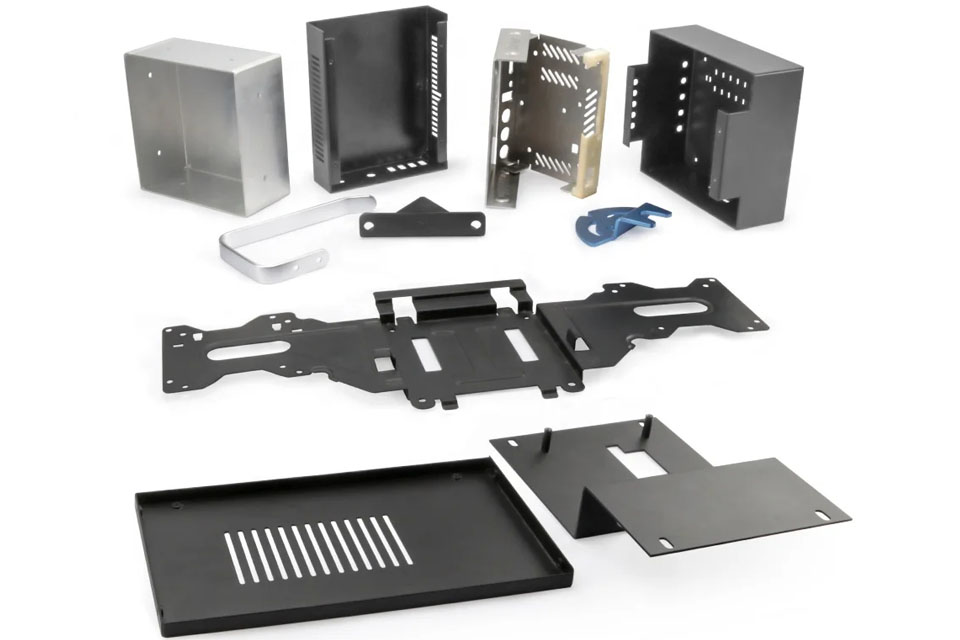
The Audit Table I Would Really Make use of
| Audit Location | What Weak Auditors Check | What I Would Examine | Warning |
|---|---|---|---|
| Material control | Mill certificate exists | Heat number, grade, density, storage condition, certificate-to-batch traceability | Combined stainless and carbon steel near reducing location |
| Laser reducing | Equipment brand name and wattage | Nesting software, kerf settings, burr level, nozzle logs, help gas documents | Driver adjusts specifications without authorization |
| Bending | Press brake tonnage | Tooling wear, bend allowance, first-piece authorization, angle checks | No recorded arrangement sheet for repeat orders |
| Welding | Welder “experience” | WPS, fixture control, weld series, distortion limitations, visual standards | Grinding made use of to hide inconsistent welds |
| Finishing | Nice sample surface | Layer density, attachment test, treatment document, concealing control | Completed components stacked metal-to-metal |
| Inspection | Final QC stamp | In-process checks, gauge calibration, AQL plan, nonconforming product control | Assessors report to production supervisor just |
| Packaging | Container stamina | Edge protection, moisture control, drop risk, tag precision | No product packaging validation for export handling |
| Compliance | Service permit | Labor, origin, subcontracting, restricted-party and forced-labor exposure | Supplier can not call upstream processors |
The Hard Truth Concerning Third-Party Factory Audit Reports
A third party factory audit serves. It is not enough.
The issue is not that third-party auditors are bad. The problem is that several audit themes are built for basic production, not for sheet metal risk. They rack up illumination, fire extinguishers, HR data, and file control, then provide the manufacturing facility an 83/100 while completely missing out on that the bend components are improvisated, the welding series is tribal knowledge, and outsourced powder coating has no inbound examination.
So use third-party auditors, but create the range on your own. For a quality assurance audit for sheet metal construction, I would certainly call for:
- One online order walkthrough
- One closed-order document review
- One nonconformance instance evaluation
- One maker maintenance document sample
- One calibration document sample
- One subcontractor verification example
- One packaging stress-risk evaluation
- One operator interview without the sales manager answering
And of course, I would pay added for photos and short videos of the cutting, flexing, welding, completing, and inspection actions. If the supplier declines, I think there is a factor.
Where Overseas Manufacturing Facility Risk Has Actually Altered Because 2024
The old sourcing design was simple: price, lead time, example top quality. That version is dead.
In Q4 2024, the National Organization of Manufacturers reported that trade unpredictability was cited by 56.1% of evaluated producers, up from 36.8% in Q3, and it was the leading difficulty for large manufacturers at 68.7%. That issues for overseas sourcing due to the fact that sudden toll, directing, compliance, or custom-mades stress commonly turns into supplier shortcuts: replacement materials, split shipments, undocumented subcontracting, or hurried completing.
Logistics becomes part of the audit now. In February 2024, Reuters reported that Maersk advised Red Sea delivery disturbance can last into the second fifty percent of the year, with longer courses around Africa, larger blockage, higher freight prices, and added vessel capability to counter delays. If your abroad sheet metal manufacturing facility depends upon imported stainless coil, outsourced plating, or export debt consolidation via congested ports, the audit has to check resilience, not just production ability.
Conformity becomes part of the audit too. Reuters reported in September 2024 that CBP had actually examined more than 9,000 deliveries valued over $3.5 billion under forced-labor enforcement, rejecting almost 4,000 deliveries, which 2024 UFLPA apprehended shipment worth surpassed $1.63 billion. The very same record kept in mind that light weight aluminum became a 2024 high-priority sector under the Forced Labor Enforcement Task Pressure method. If your manufacturing facility gets aluminum, PVC-coated parts, electronic devices, bolts, or outsourced finishing from opaque providers, “country of last assembly” is not enough.
A Practical Production Vendor Audit Checklist
Before the see
Send out the supplier a pre-audit record demand. Do not make it obscure. Request:
- Company permit and export enrollment
- ISO 9001 certificate and audit extent
- Devices checklist with version, age, capacity, and maintenance standing
- Material control procedure
- Accepted vendor listing
- Refine flow sheet for your product kind
- Control plan
- Recent inspection records
- Calibration documents
- Nonconforming product treatment
- Corrective and preventative activity documents
- Subcontractor checklist for covering, plating, warm treatment, machining, or setting up
If the distributor markets sheet metal setting up solutions, include assembly-specific checks: torque control, fastener traceability, PEM nut setup criteria, electrical grounding checks, glue cure logs, and final practical assessment.
During the visit
Beginning with a shop-floor stroll, not monitoring meetings. I desire the actual series before the rehearsed solutions.
For reducing, contrast device settings versus drawings. For flexing, request for the arrangement sheet and first-piece approval. For welding, inspect components and warmth distortion controls. For ending up, validate surface preparation, masking, layer density, cure time, and issue categories: orange peel, pinholes, blistering, adhesion failing, color drift, and subjected sides.
For sheet metal flexing, invest live at journalism brake. Negative bending is costly because it commonly looks acceptable till assembly. Examine V-die selection, punch radius, bend sequence, backgauge setup, driver training, angle dimension regularity, and springback policies by product.
After the go to
Do decline a pass/fail summary. Build a placed corrective-action checklist:
- Vital: incorrect product, no traceability, unchecked subcontracting, no last evaluation, fake certificates
- Significant: weak calibration control, poor fixture monitoring, missing out on in-process inspection, undocumented rework
- Minor: housekeeping voids, insufficient tags, irregular kind templates, training documents not updated
After that established deadlines: 7 days for containment, thirty days for rehabilitative activity, 60– 90 days for confirmation. No confirmation, no approval.

The Abroad Distributor Audit Scorecard I Depend On
I do not like stunning scorecards due to the fact that they conceal judgment. Still, buyers require a decision framework. Use weightings that show risk, not politeness.
| Classification | Weight | What It Actions |
|---|---|---|
| Core sheet metal capability | 20% | Trimming, bending, welding, ending up, setting up fit |
| Quality system maturation | 20% | ISO range, control plans, examination self-control, CAPA |
| Material and traceability control | 15% | Mill certs, set separation, heat/lot traceability |
| Tools and upkeep | 10% | Precautionary upkeep, calibration, device condition |
| Subcontractor control | 10% | Finish, plating, machining, warm therapy oversight |
| Conformity and profession threat | 10% | Compelled labor, beginning, restricted events, documentation |
| Manufacturing capability realistic look | 10% | Preparation, staffing, bottleneck analysis, rise ability |
| Communication transparency | 5% | Engineering reaction high quality, document gain access to, rise behavior |
A factory racking up 90% with weak traceability is not a 90% factory. It is a threat with tidy documents.
Typical Lies Buyers Hear During a sheet metal Supplier Audit
“We make every little thing internal”
Usually incorrect. Powder coating, plating, anodizing, heat treatment, passivation, silkscreen, and occasionally welding are outsourced. That is not immediately poor. Surprise outsourcing misbehaves.
Ask for subcontractor names, addresses, procedure extents, audit records, and inbound assessment requirements. If the provider thinks twice, you have your response.
“This is just for the example”
That sentence must make you stop. A sample made by the finest technician, on hand-selected material, with hand-operated polishing and special evaluation, informs you nearly nothing concerning manufacturing repeatability.
Need production-equivalent examples. Same product resource. Same tooling. Exact same driver degree. Same finish line. Exact same packaging.
“Tolerance depends on amount”
No. Tolerance depends on procedure capability, tools, tooling, product habits, and dimension technique. Amount just reveals whether the vendor was hiding variation.
“We check whatever”
In some cases this suggests no procedure is secure enough to trust fund. A mature factory makes use of in-process controls, first-article assessment, sampling reasoning, adjusted determines, and nonconformance rise. “100% inspection” can be a confession.
Exactly how to Audit a Sheet Metal Producer Without Losing the Trip
Bring the drawing. Bring the example. Bring the failure history. Bring the industrial stress.
The best overseas distributor audit list is developed around your actual threat profile. A chassis supplier for 1.2 mm powder-coated cold-rolled steel does not lug the same threat as a welded stainless room vendor for outside usage. An aesthetic aluminum bracket has different audit priorities than a load-bearing galvanized structure. A factory doing low-volume prototypes is not instantly received 20,000-piece regular monthly production.
Below is my preferred series:
- Validate lawful identification and possession.
- Confirm real manufacturing facility place and production impact.
- Stroll material storage prior to the display room.
- Audit reducing, bending, welding, finishing, and packaging in procedure order.
- Draw one current completed order and trace it backward.
- Draw one nonconforming instance and follow the choice trail.
- Interview drivers, not just managers.
- Confirm subcontractors.
- Score dangers by extent, not look.
- Need evidence-based rehabilitative activities.

FAQs
What is a sheet metal factory audit?
A sheet metal manufacturing facility audit is an organized on-site assessment of a metal construction supplier’s capacity, high quality system, equipment, procedure controls, product traceability, subcontractor management, compliance danger, and production integrity prior to placing or scaling purchase orders. It tests whether the factory can repetitively make appropriate components, not merely generate attractive examples.
Why is an abroad factory audit important for sheet metal sourcing?
An abroad factory audit is necessary because sheet metal quality depends upon regulated cutting, bending, welding, completing, evaluation, product packaging, and subcontractor technique throughout lengthy supply chains. Range makes issues slower and much more expensive to remedy, so buyers need validated procedure proof before production defects end up being postponed deliveries, rejected assemblies, or customizeds direct exposure.
Should I work with a third-party firm for a sheet metal vendor audit?
A third-party firm ought to be hired when the purchaser can not personally check the abroad factory, but the audit range have to be customized for sheet metal manufacture rather than common distributor scoring. The auditor must confirm equipments, tooling, calibration, real-time production records, product traceability, outsourced procedures, and corrective-action history with photographic proof.
What documents should I ask for prior to auditing a sheet metal maker?
Prior to bookkeeping a sheet metal producer, demand files that prove legal condition, high quality maturation, production ability, product control, evaluation self-control, tools upkeep, calibration, subcontractor oversight, and corrective-action performance. The minimal bundle consists of business certificate, ISO certification, tools listing, procedure flow, control strategy, evaluation reports, calibration logs, and nonconformance documents.
What are the largest red flags throughout a metal fabrication factory evaluation?
The greatest red flags throughout a metal fabrication factory evaluation are hidden subcontracting, weak product traceability, missing out on first-article authorization, poor gauge calibration, undocumented rework, uncontrolled welding distortion, careless finished-goods handling, unclear examination reports, and managers that address every operator inquiry. These indicators normally forecast inconsistent manufacturing after sample authorization.
Just how frequently should customers examine an abroad sheet metal factory?
Buyers ought to audit an abroad sheet metal factory before very first production, prior to significant order boosts, after serious quality failures, after procedure adjustments, and a minimum of every year for risky or high-volume programs. Re-audits should focus on restorative actions, new equipment, subcontractor adjustments, rejected sets, and whether past pledges ended up being controlled treatments.
Your Next Actions
Do not send out the following RFQ till you understand what you are bookkeeping.
Build your sheet metal manufacturing facility audit around the part family, not the distributor sales brochure. Call for a process stroll from raw material to packed export carton. Validate cutting, flexing, welding, finishing, setting up, inspection, traceability, subcontractors, and conformity direct exposure. Then make the distributor confirm repeatability with documents, not adjectives.
If you are sourcing overseas sheet metal components, use the audit as an industrial filter: authorize factories that reveal procedure control, quarantine manufacturing facilities that require correction, and leave manufacturing facilities that conceal evidence. That is the distinction between purchasing components and purchasing problems.